What Dermatology’s Biggest Meetings Are Debating Now: Skin Boosters, Exosomes, and the Regenerative Turn
A Seoul dermatologist’s field report on the themes dominating this year’s major aesthetic-medicine meetings — the shift to regenerative “skin quality” treatments, the global rise of Korean polynucleotide skin boosters, and the sharp debates over exosomes and laser-toning safety.

There is a particular energy to a dermatology congress — the hallway arguments, the packed rooms where a single slide shifts how everyone thinks. We go for exactly that, and this year the change on the floor was impossible to miss. Across the meetings we followed most closely — the ASDS annual meeting, IMCAS, and Korea’s own dermatology congresses — the headline procedures were no longer about changing the shape of a face. They were about regenerating the skin itself. Here is what we kept hearing, and where the room still splits.
The question has moved from “what can we add to a face?” to “how do we make skin behave younger?”
The big theme: regeneration over quick fixes
For years, injectables meant filling and freezing — volume and wrinkle relaxation. This year, session after session, the tone was different. Biostimulators, skin boosters, platelet-rich plasma, and energy-based regeneration were what everyone wanted to talk about, grouped under a banner the field now calls “regenerative aesthetics.” The shared premise: rather than mask aging, prompt the skin to rebuild its own collagen, elastin, and hydration. Sitting in those rooms, it struck us as the clinical formalization of the K-beauty ideal — healthy, luminous skin — that Korean practice has pursued for a decade.
“Skin quality” is now a real clinical goal
The clearest marker of the shift is regulatory. In 2023 the U.S. FDA approved Skinvive (Juvéderm Volite), a hyaluronic-acid injectable, specifically to improve skin smoothness — the first HA product cleared for a skin-quality indication rather than as a filler. That distinction came up again and again in the talks: skin quality — texture, elasticity, hydration, tone — has graduated from a marketing phrase into a measurable target that regulators and researchers now take seriously.
Korean polynucleotides went global
If one ingredient category owned this year’s conversations, it was polynucleotides — the PDRN skin boosters best known by the brand Rejuran, derived from purified salmon DNA. Pioneered in Korean clinics and micro-injected across the face to stimulate fibroblasts and support barrier repair, they have become the fastest-growing regenerative skin-booster category in the world, and the clinical name behind the “glass skin” look. They are approved and well studied as a medical product in Europe and used widely across Asia. There was a certain pride, frankly, in hearing a treatment refined here in Seoul discussed as a global standard.
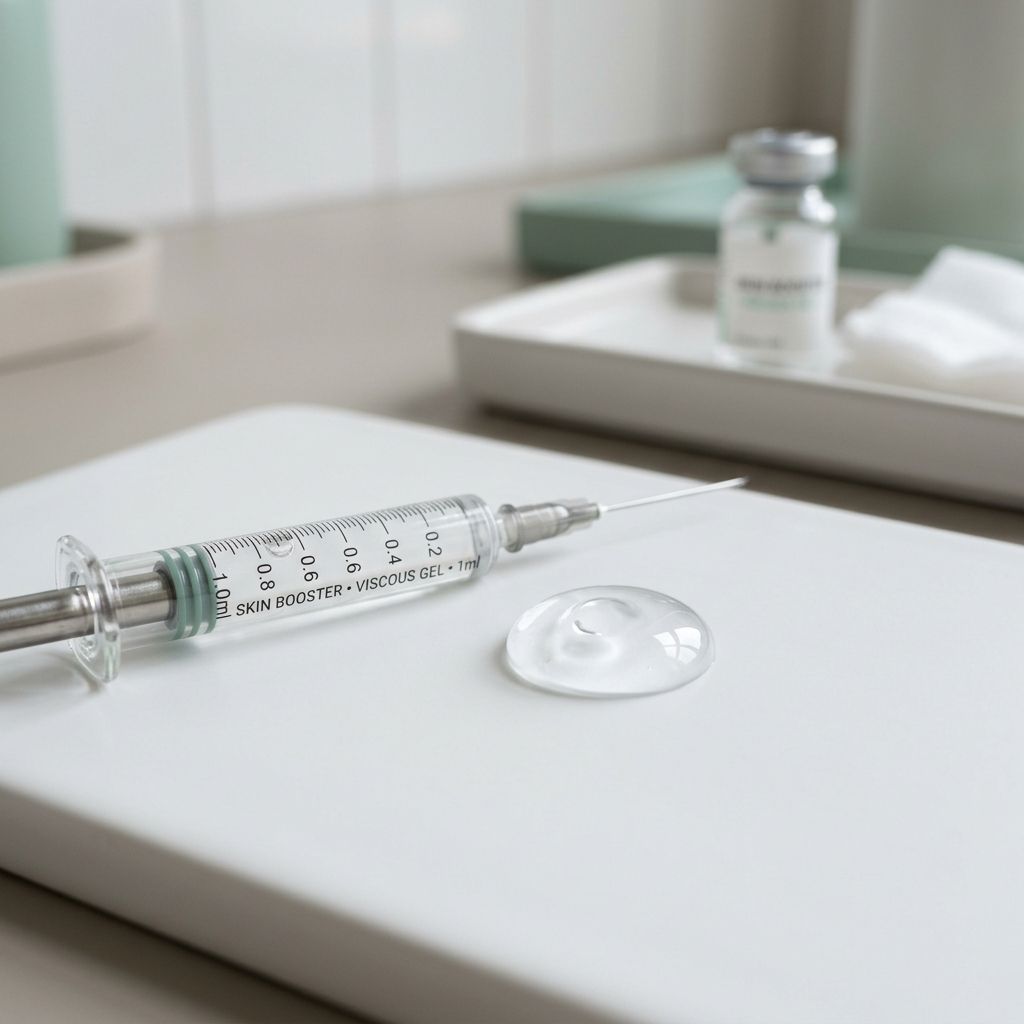
The caveat matters for readers in the United States, and speakers were careful to flag it: polynucleotide injectables are not yet FDA-approved in the U.S. On this one, much of the world is ahead of the American market — part of why patients travel to Seoul for them.
The sharpest debate: exosomes
No topic split the rooms we sat in like exosomes. In theory they are elegant: tiny vesicles that act as messengers, signaling fibroblasts to produce more collagen and elastin, often paired with microneedling. The enthusiasm was real — and so was the pushback.
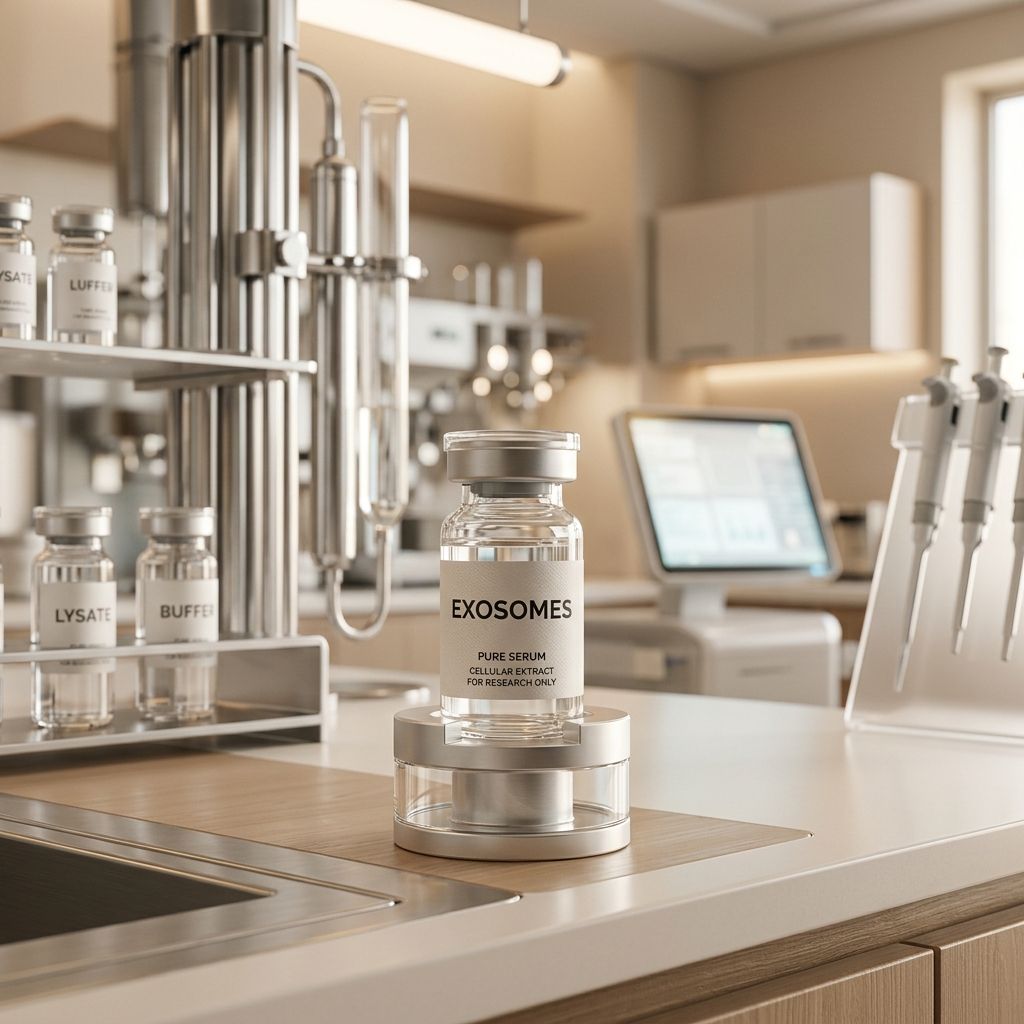
The regulatory reality, which the more sober panels kept returning to, is blunt. No exosome product is approved for aesthetic use in the United States. The FDA has issued a public safety notification warning that administering unapproved exosome products is illegal and has been linked to serious harm, including severe infections and allergic reactions, and it has sent warning letters to companies marketing them. Speaker after speaker contrasted exosomes with polynucleotides, which — unlike exosomes — have substantial controlled human data behind them. Where the science was discussed carefully, the mood was cautious: promising, not yet a proven, approved treatment.
Devices: radiofrequency microneedling kept its crown
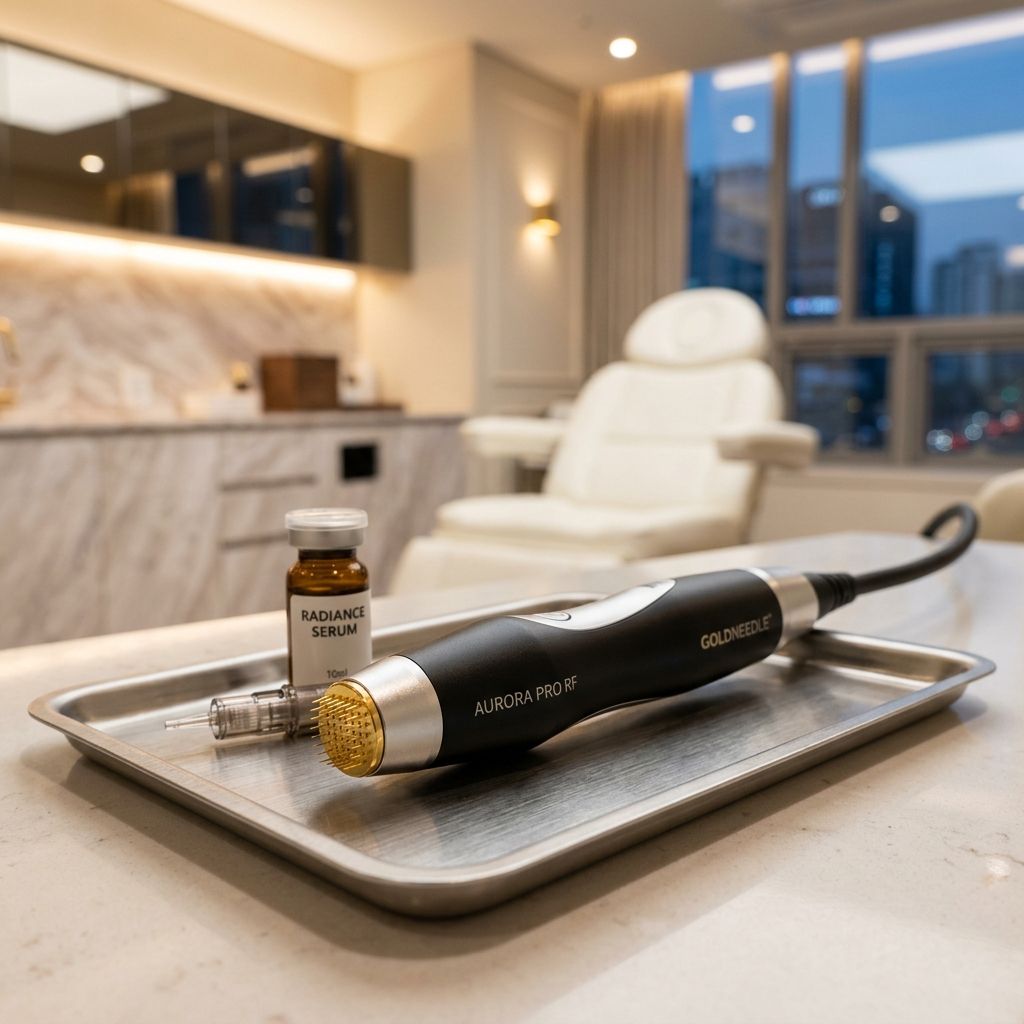
On the technology floor, radiofrequency (RF) microneedling was again the device story. The principle is consistent across platforms: insulated micro-needles create channels while RF energy heats the dermis to roughly 60–75°C, triggering a collagen-building wound-healing response.
The platforms we saw demonstrated and debated most were familiar names — Morpheus8, valued for deep tissue remodeling at 7–8 mm and often combined with PRP; the Korean-developed Sylfirm X, favored for pigment and redness; and Potenza and Genius in the more evidence-focused talks. The recurring thread was combination: RF microneedling stacked with PRP, or paired with ultrasound-based lifting, rather than any one device claiming to do everything. A scoping review presented this year even mapped where RF microneedling sits relative to surgical lifting — a sign the field is getting more precise about who each tool is actually for.
The debate that won’t die: laser toning for melasma
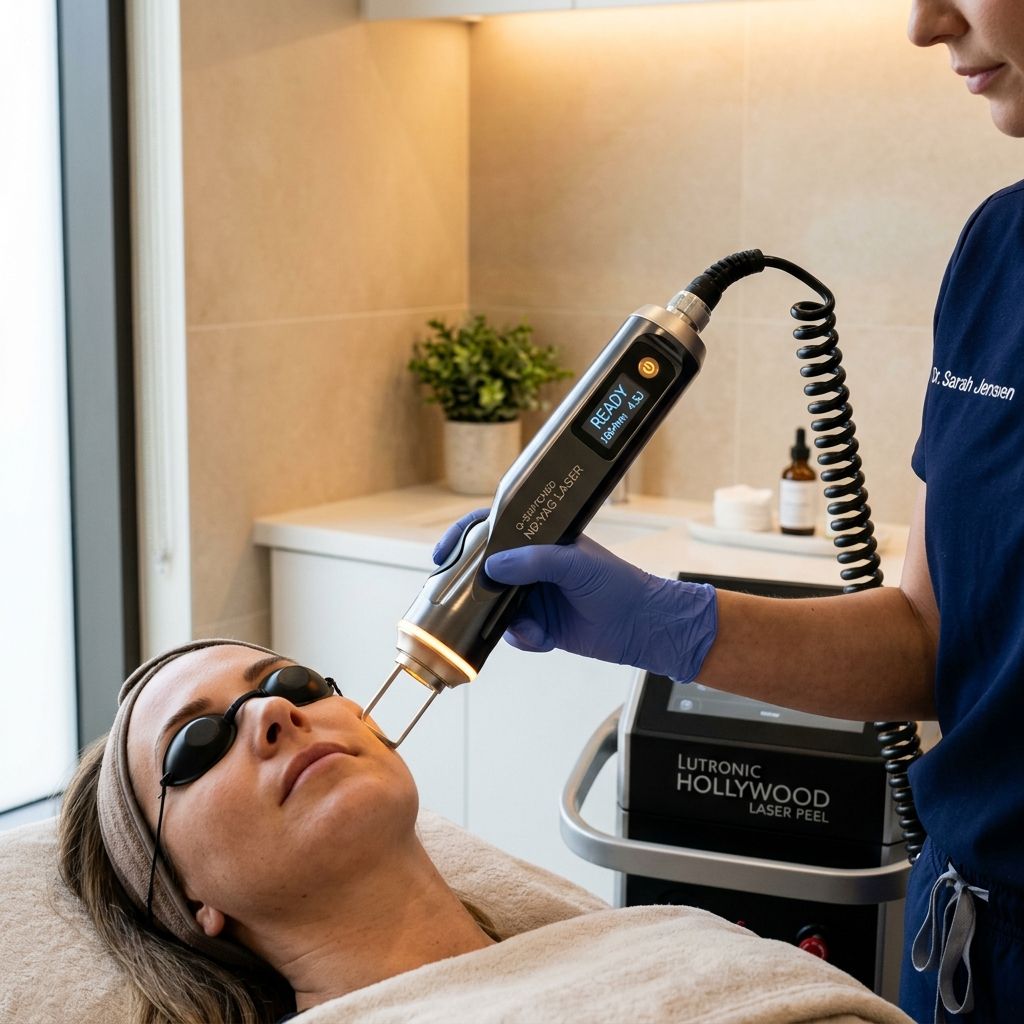
Few topics drew as much disagreement among the Asian dermatologists we heard from as laser toning for melasma. Low-fluence Q-switched Nd:YAG laser is used widely across Asia and can genuinely lighten stubborn pigment — but the literature and the panels keep circling the same risk: mottled hypopigmentation, thought to be driven by high cumulative laser energy from aggressive, frequent treatment.
The direction of the debate, as we heard it, is toward restraint. Modified “low and slow” protocols — larger 8–10 mm spot sizes at two-week intervals instead of weekly sessions — have been shown to reduce the risk of hypopigmentation, and dual-mode approaches that combine low-fluence with longer or microsecond pulses are being used to cut relapse rates. The takeaway we took home: with laser toning, the provider’s discipline matters more than the device.
What it means if you’re the patient
Strip away the branding and a few practical lessons carry over from the congress floor:
- Regeneration is the direction. The most talked-about treatments aim to rebuild skin over time, not deliver an instant change — which means patience and a course of sessions, not a single visit.
- Ask about approval status. Especially with exosomes, “newest” does not mean “approved” or “proven.” In the U.S., some of the most-hyped options aren’t cleared at all; polynucleotides, though widely used abroad, aren’t FDA-approved either.
- The operator matters more than the machine. Whether it’s a skin booster, an RF device, or laser toning, the conclusion we heard again and again was that technique and restraint drive both safety and results.
The throughline
That last point ran through the whole week. The science is moving fast, but the meetings kept returning to the same unglamorous truth: good outcomes come from matching the right treatment to the right skin, in experienced hands — not from chasing whatever is newest. That is the note we’re bringing back to our readers.
The trends and debates above reflect what dominated this year’s meetings; the regulatory facts — including the FDA’s approval of Skinvive/Juvéderm Volite for skin quality and its public safety communication on unapproved exosome products — are drawn from the public record. This article is educational and not a treatment recommendation.
Frequently Asked Questions
What are skin boosters, and why are they gaining popularity?
Skin boosters are injectable treatments that enhance skin hydration, elasticity, and texture. They are becoming popular due to their ability to improve overall skin quality rather than just targeting wrinkles.
What are the concerns surrounding exosome treatments?
Exosome treatments are debated due to concerns about their safety and efficacy, as well as the lack of standardized protocols in their application. There is ongoing research to better understand their role in regenerative medicine.
Why is there debate over laser-toning safety?
Laser-toning safety is debated due to potential side effects like skin discoloration and scarring. Experts are discussing the need for standardized guidelines to minimize risks and ensure patient safety.
This article is for general information and is not medical advice. Consult a qualified healthcare provider about your individual situation.