Embracing Regenerative Aesthetics: The Future of Skincare Reimagined
Regenerative aesthetics are revolutionizing skincare by harnessing the body's natural repair mechanisms, offering a promising path to youthful, resilient skin.
In the dynamic world of aesthetic dermatology, regenerative aesthetics is quietly revolutionizing the approach to skincare. This emerging trend leverages the remarkable capabilities of the body's own repair mechanisms, offering promising avenues for achieving youthful, resilient skin. As consumers increasingly seek natural and sustainable beauty solutions, regenerative aesthetics presents a compelling alternative to traditional cosmetic procedures.
Understanding Regenerative Aesthetics
Regenerative aesthetics is based on the principle of stimulating the body's natural ability to repair and regenerate itself. This approach contrasts with traditional methods that often rely on external substances and invasive procedures to achieve similar results. By enhancing and accelerating the skin's restorative processes, regenerative aesthetics aims to provide more organic and long-lasting outcomes.
The Role of Stem Cells and Growth Factors
Stem cells and growth factors play a pivotal role in the field of regenerative aesthetics. Stem cells, particularly those derived from botanical sources, are celebrated for their capability to differentiate into various cell types and facilitate tissue repair. Growth factors, on the other hand, are proteins that regulate cellular processes, including cell growth and division. When applied to the skin, they can significantly enhance the skin's natural rejuvenation processes.
"Regenerative aesthetics harnesses the body's innate ability to heal, offering a more harmonious and sustainable path to skin rejuvenation."
Key Treatments in Regenerative Aesthetics
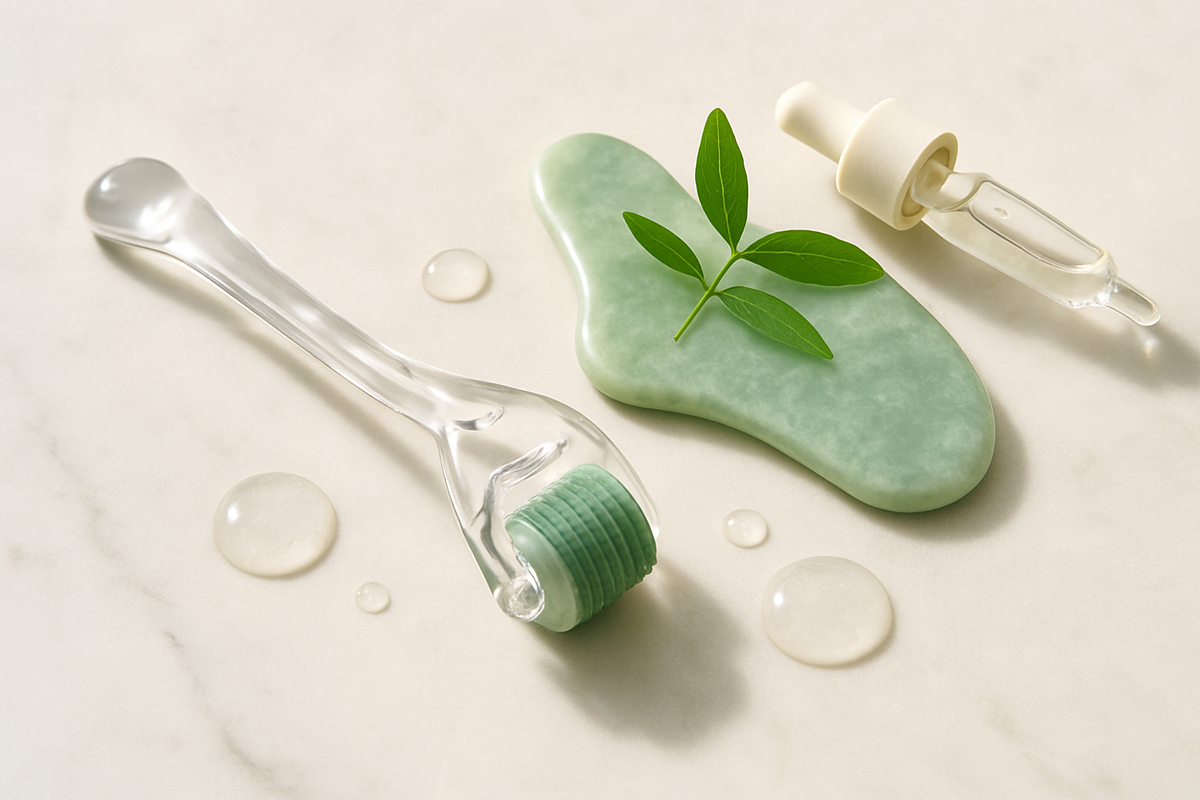
Among the various treatments offered under the umbrella of regenerative aesthetics, microneedling combined with platelet-rich plasma (PRP) is a standout. This procedure involves creating micro-injuries in the skin to stimulate collagen production, followed by the application of PRP, which is rich in growth factors. The result is a marked improvement in skin texture and elasticity. Another popular treatment is the use of exosome therapy, which utilizes cell-derived vesicles to enhance skin regeneration and repair.
Benefits and Considerations
The allure of regenerative aesthetics lies in its ability to offer natural and largely non-invasive solutions for aesthetic concerns. Benefits include improved skin texture, reduced fine lines, and enhanced skin elasticity. However, as with any aesthetic treatment, it is essential for individuals to consult with qualified professionals to discuss potential risks and ensure that the chosen treatment aligns with their specific skin needs and goals.
- Offers natural, long-lasting results
- Utilizes the body's natural healing processes
- Requires professional consultation for optimal outcomes
The Future of Skincare
As consumer demand for more natural and sustainable skincare solutions continues to grow, the field of regenerative aesthetics is poised for significant advancements. Researchers are continually exploring new techniques and technologies to enhance the effectiveness of these treatments. The future of skincare lies in innovations that align with the body's natural processes, offering not only beauty but also holistic well-being.
Frequently Asked Questions
What makes regenerative aesthetics different from traditional skincare?
Regenerative aesthetics focuses on stimulating the body's natural repair mechanisms, as opposed to traditional skincare, which often relies on external substances and invasive procedures.
Are regenerative aesthetic treatments safe?
Regenerative aesthetic treatments are generally considered safe, especially when performed by qualified professionals. However, it's important to discuss any potential risks with your dermatologist.
What are the benefits of using stem cells in skincare?
Stem cells can significantly enhance the skin's natural rejuvenation processes, leading to improved texture, elasticity, and overall skin health.
This article is for general information and is not medical advice. Consult a qualified healthcare provider about your individual situation.