Guide complet du visa de tourisme médical en Corée du Sud (C-3-3) : Conditions, Documents et Démarches
Vous prévoyez des soins dermatologiques ou de médecine esthétique à Séoul ? Découvrez les exigences du visa C-3-3, les documents requis et la détaxe immédiate.
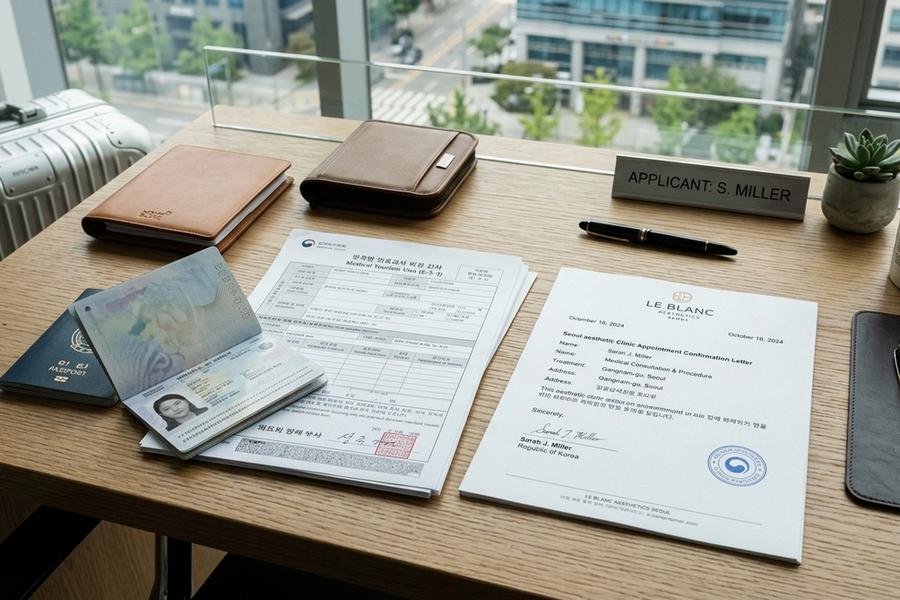
South Korea has emerged as the global destination for medical aesthetics, dermatology, plastic surgery, and comprehensive health checkups. However, for international patients planning a visit to Seoul for skincare, anti-aging, or aesthetic treatments, understanding South Korea's official Medical Tourism Visa regulations is essential to ensuring a safe, legal, and hassle-free trip.
Executive Summary: Foreign medical tourists traveling to Korea for aesthetic treatments, dermatology, or health checkups can apply for the C-3-3 (Short-Term Medical Tourism, stays up to 90 days) or G-1-10 (Long-Term Medical Care) visa. Stays require an official appointment confirmation letter from a Ministry of Health and Welfare registered medical institution, bank financial proof, and a valid passport. Tourists also qualify for an immediate 7–8% medical VAT tax refund on-site.
1. Types of South Korea Medical Tourism Visas (C-3-3 vs G-1-10)
The South Korean government provides specialized medical visa categories depending on the nature and duration of treatment:
• C-3-3 Visa (Short-Term Medical Tourism): Designed for international patients visiting Korea for stays up to 90 days to receive cosmetic surgery, dermatological care, skin boosters, laser treatments, or routine health checkups.
• G-1-10 Visa (Long-Term Medical Care & Rehabilitation): Issued for patients requiring extended hospital stays, major post-surgical rehabilitation, or prolonged medical treatments exceeding 90 days (up to 1 year, extendable in Korea).
• K-ETA (Visa-Exempt Visitors): Travelers holding passports from visa-exempt countries (such as the US, Japan, EU nations, Singapore, or Taiwan) can enter Korea via K-ETA for short-term aesthetic consultations (30 to 90 days depending on nationality).

2. Required Documents for Medical Visa Application
To apply for a C-3-3 Medical Tourism Visa at a Korean Embassy or through the online K-VISIT portal, applicants must submit:
1. Valid Physical Passport (minimum 6 months remaining validity).
2. Official Medical Appointment Confirmation / Invitation Certificate issued by a Ministry of Health and Welfare registered medical institution in Korea.
3. Proof of Financial Capability (recent bank balance statement or deposit certificate).
4. Doctor's Diagnosis or Referral Letter from home country (if applicable for surgical procedures).
5. Medical Expense Estimate / Deposit Receipt from the treating clinic.

3. Step-by-Step Visa Application Workflow
Step 1: Online Medical Consultation & Booking: Contact a registered Korean medical facility (such as LaPlace Clinic in Sinchon or Urgent Clinic in Yeongdeungpo) to schedule your treatment plan.
Step 2: Obtain Official Clinic Invitation: The clinic issues an official 'Medical Patient Referral Confirmation' (외국인 환자 유치 예약확인서) required for visa issuance.
Step 3: Embassy Submission & Visa Grant: Submit documents to your local Korean Embassy or authorized visa agency to receive your C-3-3 e-Visa.
Step 4: Arrive in Korea & Claim Immediate 7-8% VAT Refund: Upon completing your procedure at the clinic, present your passport to receive an immediate Tax-Free VAT refund receipt.
4. Frequently Asked Questions (Clinical Guide)
Q: Can I get a medical visa for non-surgical aesthetic treatments like skin boosters or laser toning? A: Yes. As long as the treatment is scheduled at a Ministry-registered clinic, C-3-3 visas are granted for dermatological care and health checkups.
Q: Does LaPlace Clinic provide medical invitation documents for foreign patients? A: Yes. LaPlace Clinic provides official consultation booking certificates and medical tax refund vouchers for international visitors.
Questions fréquentes
Do tourists need a special visa for skin treatments or aesthetic procedures in South Korea?
Short-term visitors for minor non-invasive treatments (botox, fillers, skin boosters, lasers) can visit under a standard C-3 short-term visa or K-ETA (visa-free entry). For extended medical treatments requiring longer stays, a C-3-3 Medical Tourism Visa or G-1-10 Treatment & Recuperation Visa is required.
Can foreign tourists get a medical tax refund (VAT) on skin treatments in Seoul?
Yes. Foreign short-term tourists can claim a 7–10% medical VAT tax refund on eligible aesthetic procedures (laser toning, lifting, skin boosters) at accredited Korean dermatology clinics by presenting their physical passport.
How do I book a Korean dermatology clinic appointment as an English-speaking foreigner?
Most major Seoul clinics in Myeongdong, Gangnam, and Sinchon accept direct English bookings via WhatsApp, KakaoTalk, or Instagram DM. Many employ dedicated international patient coordinators and provide English consultation sessions.
Is there any downtime after treatments like Aqua Peel, Rejuran, or ONDA lifting before flying home?
Non-invasive treatments like Aqua Peel, ONDA microwave lifting, and mild laser toning have zero downtime and are safe for flying. Micro-injection treatments like Rejuran or microneedling may cause mild redness or small bumps for 24–48 hours.
Cet article est fourni à titre d’information générale et ne constitue pas un avis médical. Consultez un professionnel de santé qualifié pour votre situation.