【韓国皮膚科の選び方】工場型クリニック vs 1:1オーダーメイド医院:徹底比較と失敗しない選択基準
ソウルの美容皮膚科で話題の「工場型クリニック(Factory Clinic)」と「1:1オーダーメイド専門医院」の違いを徹底解説。価格、医師の診察時間の有無、担当医の固定、安全な選び方のポイント。
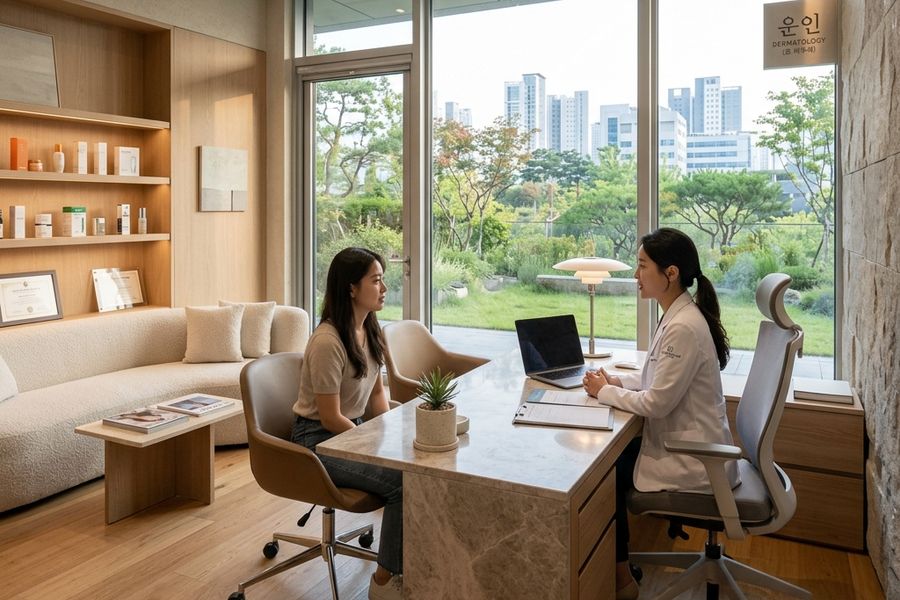
When researching aesthetic treatments in Seoul, first-time international visitors are often struck by a stark contrast: high-volume, highly discounted 'factory clinics' vs. quiet, physician-led private practices. On foreign online forums, the term 'factory clinic' appears constantly. While both models have established roles in Korean medical aesthetics, understanding how they differ in consultation, doctor consistency, and treatment execution is essential for a safe, satisfying outcome.
The core distinction: factory clinics prioritize high throughput and standardized low prices for basic procedures, whereas private boutique practices emphasize direct physician diagnosis, tailored treatment design, and continuous doctor care.
1. What Is a 'Factory Clinic' in Korean Medical Aesthetics?
In Korea, high-volume aesthetic chains operate much like efficient service hubs. Located near major subway hubs in Gangnam, Myeongdong, and Hongdae, these clinics utilize digital check-ins, multi-language price boards, and rapid treatment rooms.
- The upside: pricing is transparent, published online, and often heavily discounted for straightforward procedures such as masseter Botox, basic IPL, or simple hydrating facials.
- The trade-off: initial consultations are frequently conducted by non-medical sales coordinators rather than a physician. You may only meet the doctor for 2-3 minutes during the actual procedure.
- Doctor consistency: because large chains employ rotational medical staff, you are unlikely to see the same doctor on a repeat visit, and different doctors may handle separate steps of your procedure.
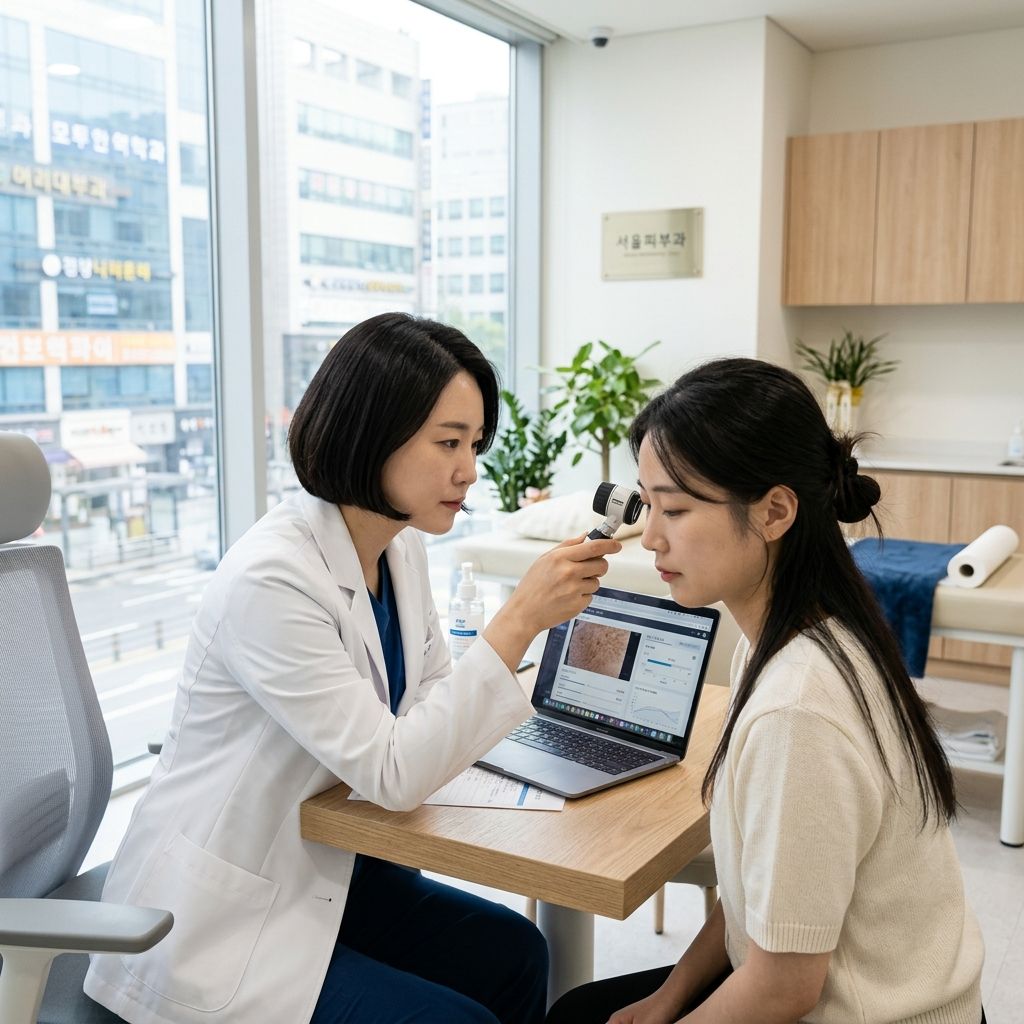
2. The Private Boutique Dermatology Model
Private boutique clinics operate on a traditional physician-patient consultation model. The founding director or resident specialist evaluates your skin architecture in person before recommending any protocol.
- Direct doctor diagnostic: skin analysis devices (such as 3D scanners) are reviewed by the physician alongside you, discussing skin thickness, collagen density, and realistic downtime.
- Customized execution: treatment parameters (laser energy levels, injection depth, booster volume) are adjusted dynamically for your skin type rather than using fixed factory presets.
- Continuous aftercare: the same physician performs follow-up evaluations and manages any post-procedure recovery questions.
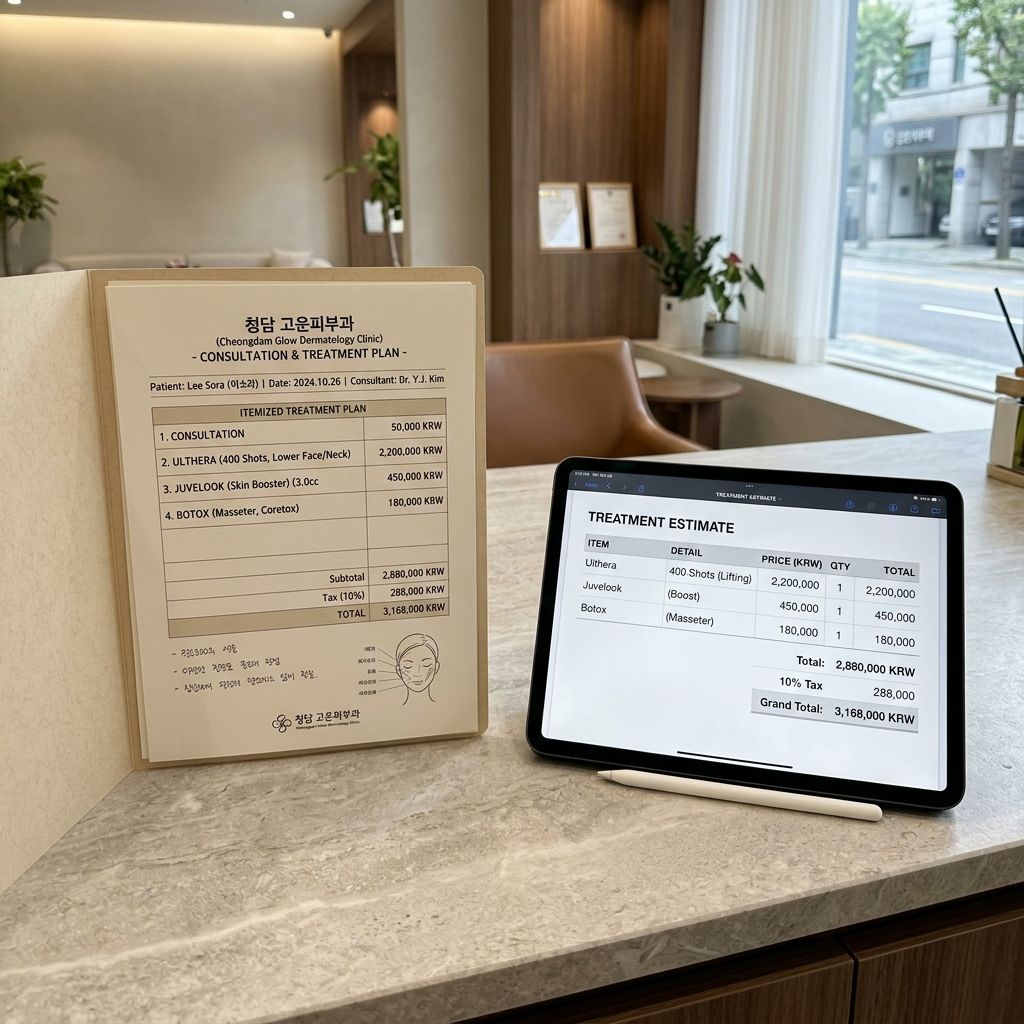
3. Decision Framework: Which Model Fits Your Needs?
Choosing between a factory clinic and a private practice depends on your specific treatment goals and comfort level:
- Choose high-volume/factory clinics if: you need simple, routine treatments (e.g., jawline Botox, basic Aqua Peel), have a tight budget, understand the risks, and do not require detailed medical diagnosis.
- Choose private boutique dermatology if: you are seeking complex procedures (e.g., Rejuran skin boosters, Ulthera/ONDA lifting, acne scar resurfacing), have sensitive or reactive skin, value 1:1 doctor consultations, or want dedicated follow-up care.
4. Red Flags & Safety Checklist for International Tourists
Regardless of which clinic type you visit in Seoul, protect your skin by observing these clinical standards:
- Demand a direct physician evaluation before committing to invasive or injectable treatments.
- Verify that genuine, unopened products (e.g., authentic Rejuran ampoules or Botox vials) are opened in front of you.
- Ensure the clinic provides a clear, itemized price quote including VAT refund eligibility prior to treatment.
To explore verified clinics and credentialed physicians across Seoul, consult our Clinic Map and our Medical section for evidence-based guides written by practicing doctors.
よくある質問
What is the difference between 'Factory' clinics and 'Boutique' dermatology clinics in Seoul?
Factory clinics focus on high-volume, low-cost standardized treatments where consultations are often conducted by sales staff rather than doctors. Boutique dermatology clinics prioritize direct physician-led consultations, customized multi-laser protocols, and dedicated private room care.
Are factory clinics safe for basic skin treatments like Botox or Aqua Peel?
Yes. Factory clinics are suitable for routine, low-risk procedures like basic masseter Botox, simple laser hair removal, or standard Aqua Peels where individual customization is minimal.
Why do foreign tourists prefer private boutique clinics for complex treatments like Rejuran or Lifting?
Boutique clinics offer 1:1 doctor consultations, tailored energy settings (ONDA, 10Therma, Ulthera), custom pain management, and thorough post-procedure follow-up care.
本記事は一般的な情報であり、医療的助言ではありません。ご自身の状況については有資格の医療従事者にご相談ください。