How Pigment Is Actually Cleared: Two Routes Out of the Skin
Treating pigment does not delete it. It converts it into something the body can remove — and the removal route is different depending on how deep it sat. That difference explains almost everything about your timeline.
 Dr. Jihye Kim
Medical doctor, specialist, Laplace Clinic · Laplace Clinic, Sinchon, Seoul · August 1, 2026 · 6 min read
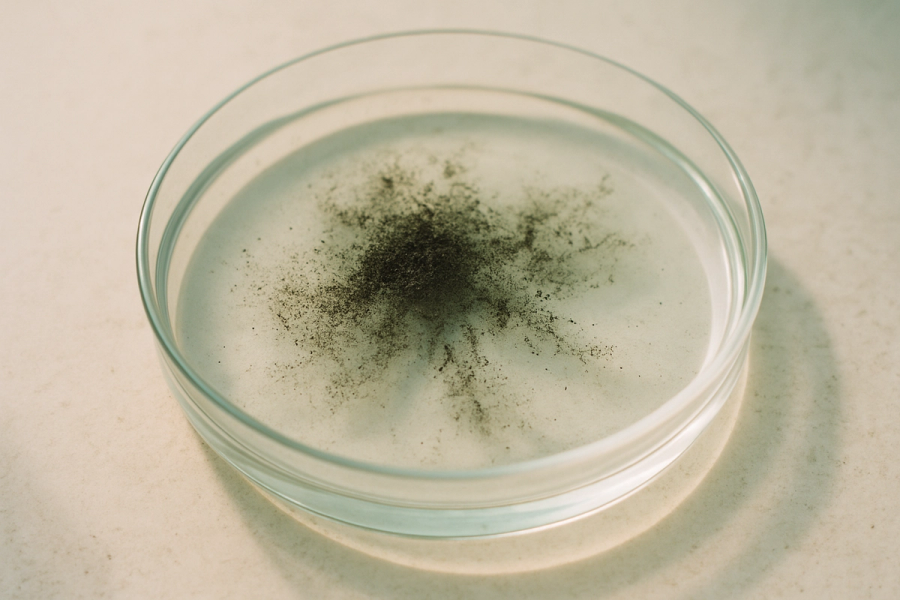
There is a mental model most patients arrive with, and it is worth replacing early: that a laser erases pigment the way a cloth wipes a surface. Nothing is erased. Treatment converts pigment into a form the body can transport away, and then the body does the actual work — on its own schedule.
Understanding that hand-off explains the two things patients find hardest about pigment treatment: why results appear days after a session rather than during it, and why some marks clear in weeks while others take a year.
Selective Targeting: Heat Where It Is Needed
The principle underlying pigment lasers is selectivity. Melanin absorbs certain wavelengths of light far more strongly than the surrounding tissue does. Deliver that light in a pulse short enough, and the energy is absorbed by the pigment and converted to heat before it has time to spread into neighbouring structures.
That confinement is the entire safety margin of the treatment. It is why pulse duration and wavelength matter more than raw power, and why the same device set differently can either clear a spot cleanly or leave a burn. Selectivity is also why treatment is more delicate in darker skin, where background melanin competes for the same energy.
Route One: Surface Pigment Leaves With the Surface
When the target sits in the epidermis, the sequence is relatively short. The pigment absorbs energy and is damaged; the affected cells are pushed upward as the epidermis renews itself; a fine darkening or micro-crusting may appear for several days; and the mark sheds with the layer it lived in. Fresh, evenly pigmented epidermis replaces it.

This is why superficial pigment often looks worse before it looks better, and why picking at that phase is genuinely damaging — it interrupts an orderly renewal and invites a new round of post-inflammatory pigmentation on top of the original problem.
Superficial pigment leaves with the layer it lived in. Deep pigment has to be carried out.
Route Two: Deep Pigment Is Carried Out by Cells
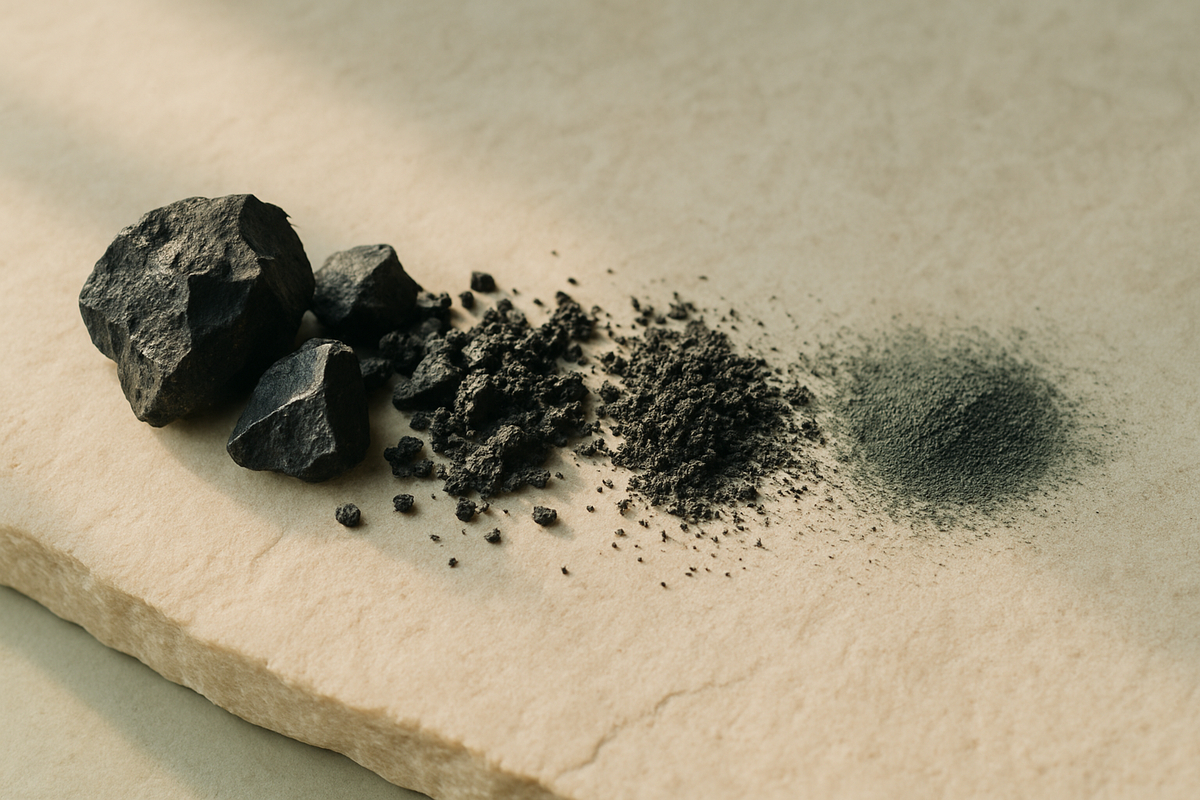
Pigment in the dermis has no exit route of its own. Nothing at that depth sheds. So the treatment goal changes: rather than damaging pigment for the skin to shed, the energy fragments larger pigment deposits into particles small enough for the body's scavenging cells — macrophages — to engulf and carry away through the lymphatic system.
That clearance is gradual and largely invisible. It happens over weeks after each session, without a visible shedding phase, which is why patients treated for deep pigment often report that "nothing happened" at the two-week mark and then notice a change at six. It also explains why sessions are spaced closely but the total course runs long: each session fragments another portion, and the body clears in the interval between.
Why the Same Mark Can Need Both
Mixed pigmentation — melasma in particular — often carries both a superficial and a deep component. Treat only the surface and the patch lightens briefly, then reasserts itself from below. Treat only the depth and the visible layer stays unchanged.
So plans for mixed pigment are usually layered: gentle, repeated approaches that address the surface without provoking the melanocytes, combined with cautious deeper work and continuous suppression of the triggers driving new production. This is slow, unglamorous medicine, and it is the approach with the best long-term record.
What Should Happen After a Session
Knowing the two routes makes aftercare intuitive rather than arbitrary.
- Expect a temporary darkening or fine crusting when superficial pigment has been treated — it is the target on its way out, not a complication.
- Do not exfoliate, scrub or pick during that phase. Let the epidermis complete its renewal on its own.

- Expect little or no visible change immediately after treatment aimed at deeper pigment. Judge that work at weeks, not days.
- Protect the area from sun continuously. Recently treated skin produces pigment more readily, and unprotected exposure can convert a good result into a worse starting point.
- Keep the barrier calm — bland moisturiser, no acids or retinoids until cleared. Inflammation is what turns treated skin into newly pigmented skin.
The pattern to hold onto is simple. Treatment does not remove pigment; it makes pigment removable. What you do in the weeks afterwards decides how efficiently your skin finishes the job.
Frequently Asked Questions
Why did my spot get darker right after laser treatment?
That is usually the expected course for superficial pigment. The treated pigment darkens and forms a fine micro-crust as it is pushed up with the renewing epidermis, then sheds over roughly one to two weeks. Picking or exfoliating during this phase can cause new post-inflammatory pigmentation.
Why can't I see any change after treatment for deep pigmentation?
Deep pigment has no shedding phase. The treatment fragments it, and the body's scavenging cells clear the particles gradually through the lymphatic system over the following weeks. Results from deep pigment work should be judged over weeks and months, not days.
Does more powerful treatment clear pigment faster?
No. Selectivity — matching wavelength and pulse duration to the target — matters more than intensity, and excessive energy risks burns, post-inflammatory pigmentation and, in melasma, rebound darkening. The pace is set by how fast your body can clear what has been treated.
This article is for general information and is not medical advice. Consult a qualified healthcare provider about your individual situation.