Understanding Ceramides: The Building Blocks of Healthy Skin
Ceramides are essential lipids in our skin that maintain moisture and protect against environmental aggressors. Learn how they work and why they're vital for your skincare routine.
 Dr. Jihye Kim
Medical doctor, specialist, Laplace Clinic · Laplace Clinic, Sinchon, Seoul · June 15, 2026 · 6 min read

If you’ve ever wondered why some skincare products boast about containing ceramides, you’re not alone. Ceramides are often hailed as a miracle ingredient, essential for maintaining healthy, hydrated skin.
What Are Ceramides?
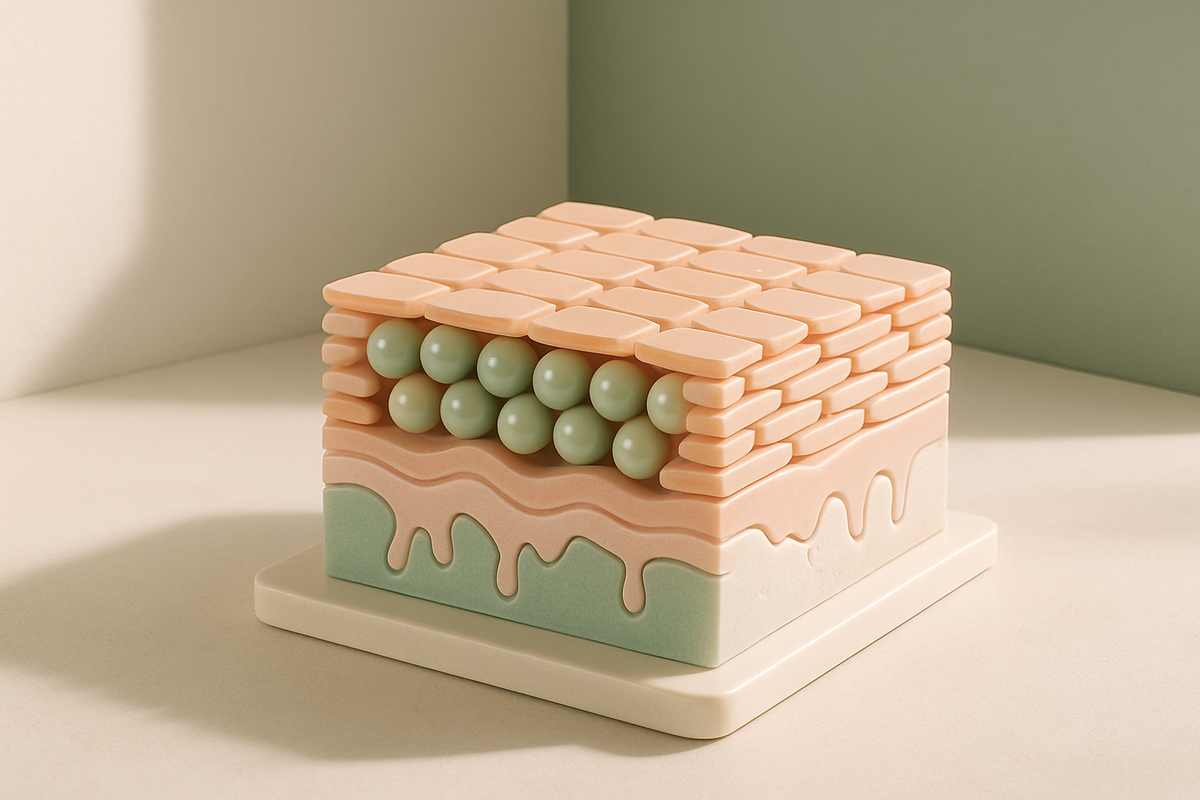
Ceramides are naturally occurring lipids (fats) found in high concentrations within cell membranes in the outermost layer of the skin. They make up about 50% of the skin’s composition and form part of the extracellular space in the stratum corneum. Think of ceramides as the 'mortar' that holds your skin cells (the 'bricks') together.
The Role of Ceramides in Skin Health
Ceramides play a crucial role in maintaining the skin's barrier function. This barrier not only retains moisture but also protects against environmental pollutants, bacteria, and other harmful elements. Without sufficient ceramides, the skin can become dry, irritated, and more prone to conditions like eczema and psoriasis.
Healthy skin has a rich barrier made of ceramides that lock in moisture and shield against damage.
How Ceramides Work
When integrated into skincare products, ceramides help to reinforce the skin’s natural barrier. They replenish lost lipids, restore moisture, and improve the overall texture and appearance of the skin. By reinforcing the skin’s barrier, ceramides also help decrease the impact of environmental irritants and reduce visible signs of aging.
- Strengthen the skin’s barrier
- Retain moisture effectively
- Protect against environmental damage
Who Should Use Ceramides?
Everyone can benefit from ceramides, especially those with dry, sensitive, or aging skin. If you’ve noticed your skin feels drier than usual or is showing signs of dehydration, incorporating a ceramide-rich product might be beneficial. Even those with normal skin types can use ceramides to maintain their skin’s health and prevent future dryness or irritation.
Incorporating Ceramides Into Your Routine
Adding ceramides to your skincare routine is simple. Look for moisturizers, serums, or cleansers that list ceramides as a key ingredient. These products can be used daily and are most effective when applied after cleansing to lock in moisture. For optimal results, combine ceramide products with other hydrating ingredients like hyaluronic acid and glycerin.
In conclusion, ceramides are a fundamental component of healthy skin, offering both protective and hydrating benefits. By understanding their role and incorporating them into your skincare routine, you can maintain a healthy, radiant complexion.
Frequently Asked Questions
What are ceramides?
Ceramides are naturally occurring lipids that make up about half of the skin's outermost layer. They act as the 'mortar' holding skin cells together, keeping the barrier strong and locking in moisture.
Who should use ceramide products?
Almost everyone benefits, especially those with dry, sensitive, or aging skin. Even normal skin types can use ceramides to maintain barrier health and prevent future dryness or irritation.
How do I add ceramides to my routine?
Look for moisturizers, serums, or cleansers that list ceramides as a key ingredient. Apply after cleansing to lock in moisture, and pair them with other hydrators like hyaluronic acid and glycerin for best results.
This article is for general information and is not medical advice. Consult a qualified healthcare provider about your individual situation.