Decompression Sickness & Hyperbaric Oxygen Therapy: Why Medical Protocol Precision Matters
Not all hyperbaric oxygen therapy is created equal. Dr. Euisun Jung explains the 4 non-negotiable medical principles for treating decompression sickness—from 100% oxygen mask protocols to US Navy treatment tables.
 Dr. Eu Sun Lee
Director, Urgent Clinic · Urgent Clinic, Yeongdeungpo, Seoul · August 20, 2026 · 6 min read
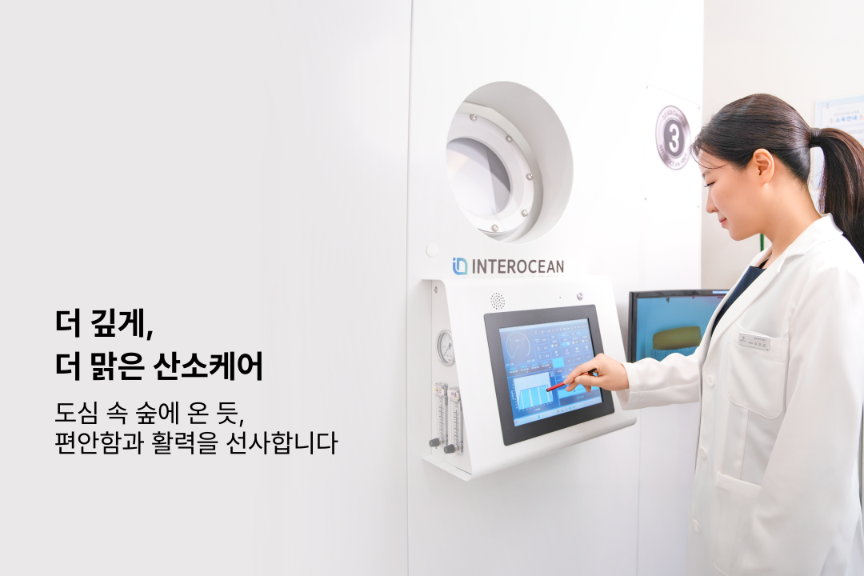
Decompression sickness (DCS), commonly known among scuba divers and commercial divers as 'the bends,' is a severe medical condition caused by inert gas bubbles—primarily nitrogen—forming in blood vessels and tissue during rapid ascent. While Hyperbaric Oxygen Therapy (HBOT) is the undisputed gold standard for treating DCS, not all hyperbaric chambers or treatment setups deliver equal medical efficacy. True clinical HBOT requires strict adherence to international hyperbaric protocols.
Not all hyperbaric chambers deliver equal therapeutic outcomes. At Urgent Clinic, decompression sickness treatment follows 4 uncompromising medical principles to ensure maximum safety and nitrogen elimination.
Principle 1: The Mask-Type 100% Pure Oxygen Protocol
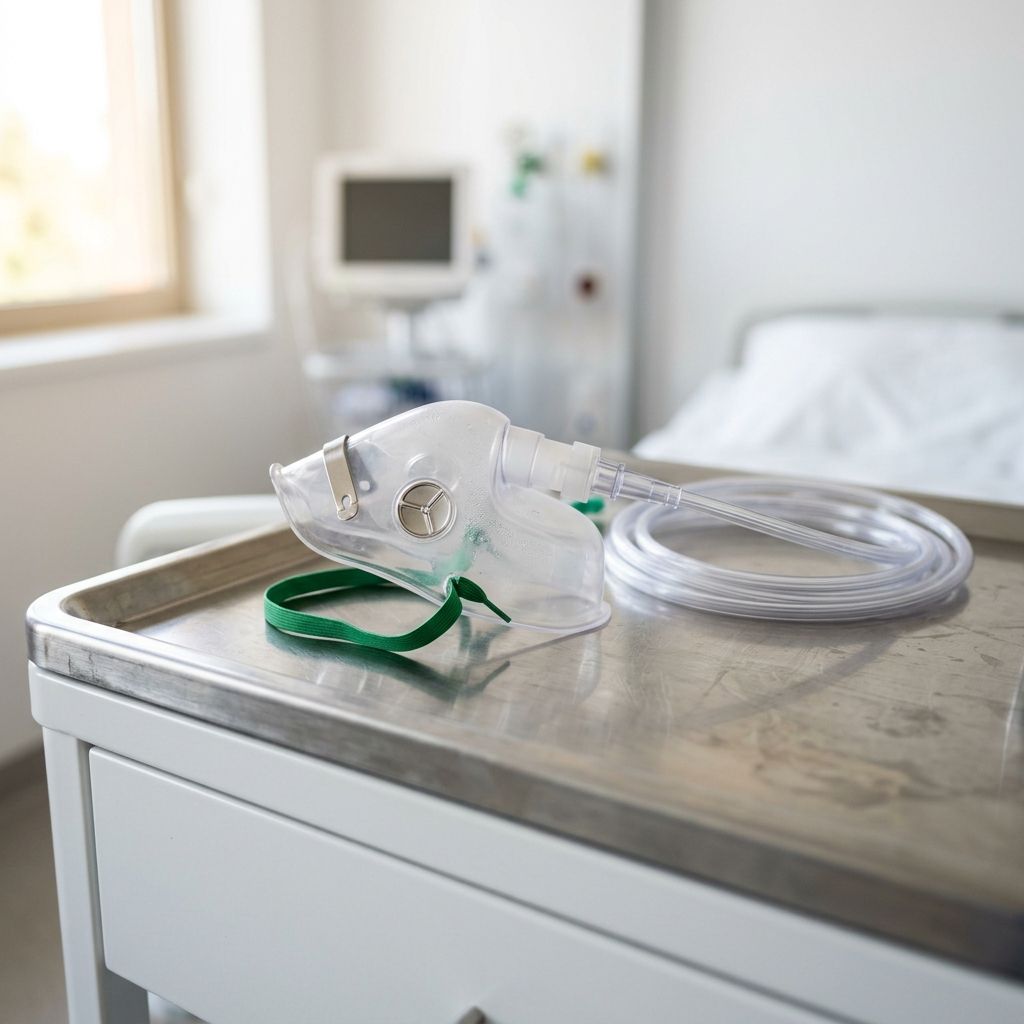
The fundamental rule of clinical hyperbaric oxygen therapy is the delivery of 100% pure medical oxygen under a pressure of at least 2.0 ATA (Atmospheres Absolute). In ambient-pressurized chambers where patients do not wear a dedicated mask system, the chamber air mixes ambient room atmosphere (20% oxygen, 80% nitrogen). As a result, the patient actually inhales only approximately 60% oxygen while continuing to breathe residual nitrogen and carbon dioxide.
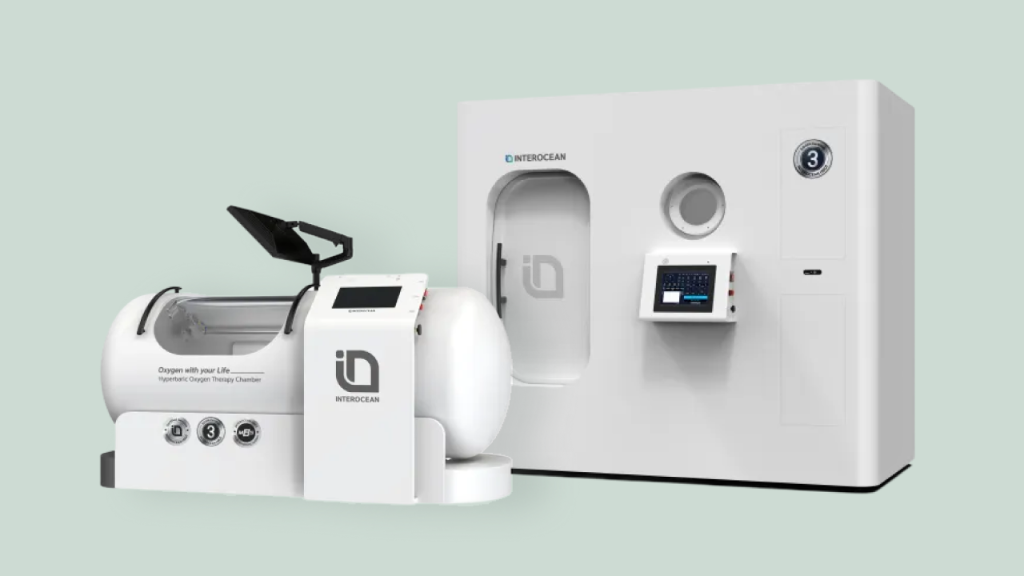
To create the steep partial pressure gradient required to off-gas nitrogen bubbles from ischemic tissue, breathing 100% oxygen is mandatory. Urgent Clinic strictly insists on dedicated mask-type HBOT systems, guaranteeing true 100% oxygen inhalation throughout the therapeutic cycle.
Principle 2: Oxygen Toxicity Prevention & Proactive Supportive Therapy
Treating severe decompression sickness often requires high pressure reaching 2.7 ATA or higher. At these elevated pressures, prolonged oxygen inhalation increases the risk of central nervous system (CNS) oxygen toxicity, which can manifest as muscle twitching or seizures.
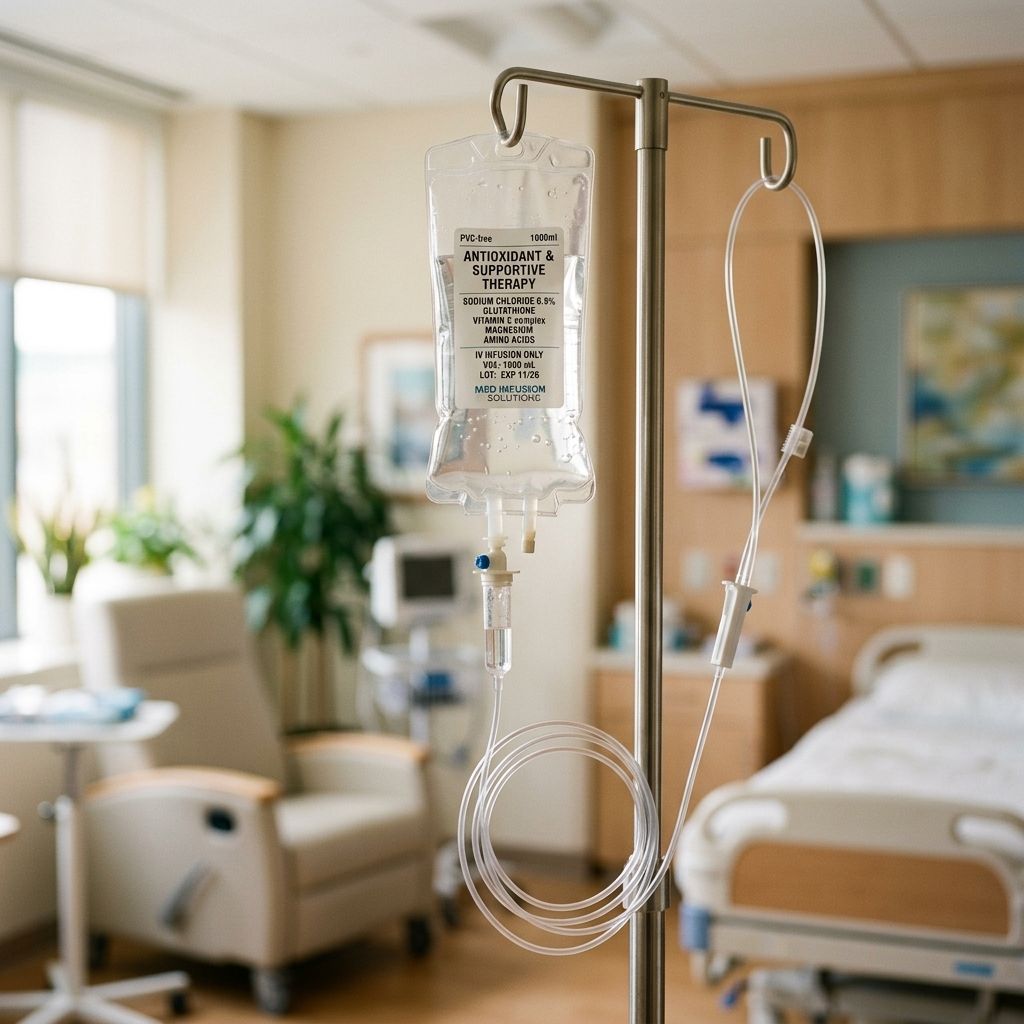
To prevent complications, Urgent Clinic administers proactive supportive IV therapy—including targeted antioxidants and microvascular vasodilators—before and during HBOT sessions. Furthermore, we strictly abide by US NAVY Treatment Tables, incorporating structured air-oxygen breathing cycles (air breaks). Because US Navy protocols are engineered exclusively for mask-type systems, our patients receive international navy-standard care.
Principle 3: Comprehensive Pre-Treatment Baseline Evaluation
Hyperbaric therapy is a powerful medical intervention, not a simple spa treatment. Prior to pressurization, our medical team conducts a comprehensive diagnostic assessment, medical history review, and ear/lung barotrauma evaluation. We assess individual risk factors and underlying physiological conditions—such as patent foramen ovale (PFO) or pulmonary compliance issues—that may contribute to recurrent decompression illness.
Principle 4: Uncompromising Hygiene & Plasma Sterilization
Infection control inside hyperbaric chambers is critical. Urgent Clinic mandates individual personal masks for every patient to prevent cross-infection. Furthermore, each personal mask undergoes low-temperature plasma sterilization after every session—an advanced sterilization technology superior to conventional high-heat autoclaves that preserves mask integrity while eliminating 99.99% of pathogens.
Chamber linens and bedding are replaced after every patient encounter, and internal surfaces are sanitized using specialized hospital-grade disinfectant wipes capable of eradicating multidrug-resistant organisms (MDROs).
Summary: Precision Hyperbaric Medicine for Divers
Effective decompression sickness treatment requires strict scientific compliance rather than pressurized convenience. By combining 100% mask-type oxygen delivery, US Navy treatment protocols, proactive antioxidant support, and stringent plasma sterilization, Urgent Clinic's Hyperbaric Oxygen Therapy Center provides divers with the highest standard of medical recovery.
Frequently Asked Questions
How does Hyperbaric Oxygen Therapy (HBOT) treat decompression sickness (DCS) and ischemic tissue injuries?
HBOT delivers 100% pure medical oxygen in a pressurized chamber (typically 2.0 to 2.8 ATA). The elevated atmospheric pressure dissolves gas bubbles in blood plasma and floods hypoxic tissues with high-concentration dissolved oxygen, accelerating micro-vascular regeneration and cellular repair.
What is the difference between medical-grade HBOT chambers and mild wellness oxygen pods?
Medical-grade HBOT chambers operate at pressures above 2.0 ATA with 100% oxygen, capable of treating vascular occlusion, carbon monoxide poisoning, and severe tissue ischemia. Mild wellness pods operate at low pressures (1.3 ATA) with ambient air and are intended only for mild relaxation, not clinical emergency care.
How many HBOT sessions are needed for post-surgical or ischemic wound healing?
For acute tissue ischemia or post-procedure recovery, protocols typically range from 3 to 10 daily 60-minute sessions at 2.0–2.4 ATA, monitored by hyperbaric medical specialists.
This article is for general information and is not medical advice. Consult a qualified healthcare provider about your individual situation.