PRP, Explained: The “Vampire Facial” Kim Kardashian Made Famous
Kim Kardashian put the “vampire facial” on the map — but PRP is a real regenerative treatment that uses your own blood to rebuild skin. A Seoul dermatologist explains how it works, what it treats, and why the bloody photos are only half the story.
 Dr. Jieun Youn
Founding Director, Laplace Clinic · Laplace Clinic, Sinchon, Seoul · June 1, 2026 · 10 min read
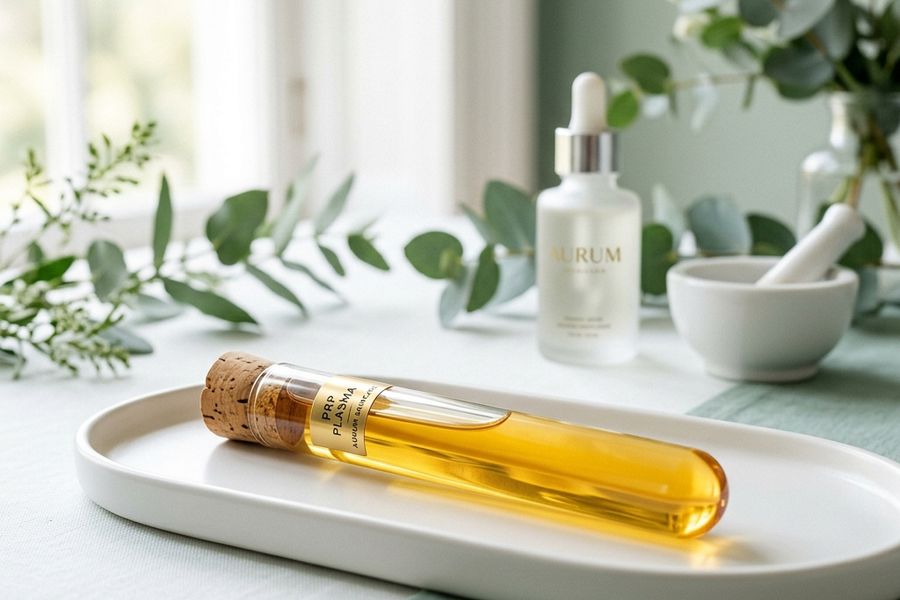
When Kim Kardashian posted a photo of her face streaked with blood, she turned an obscure dermatology procedure into a household name overnight. The “vampire facial” became shorthand for glamorous, slightly alarming skin science. What most people never learned is what was actually happening under all that red — and that the treatment behind it, PRP, is one of the more elegant ideas in regenerative skincare.
PRP doesn’t add anything foreign to your skin. It borrows from you, concentrates it, and gives it back.
What PRP actually is
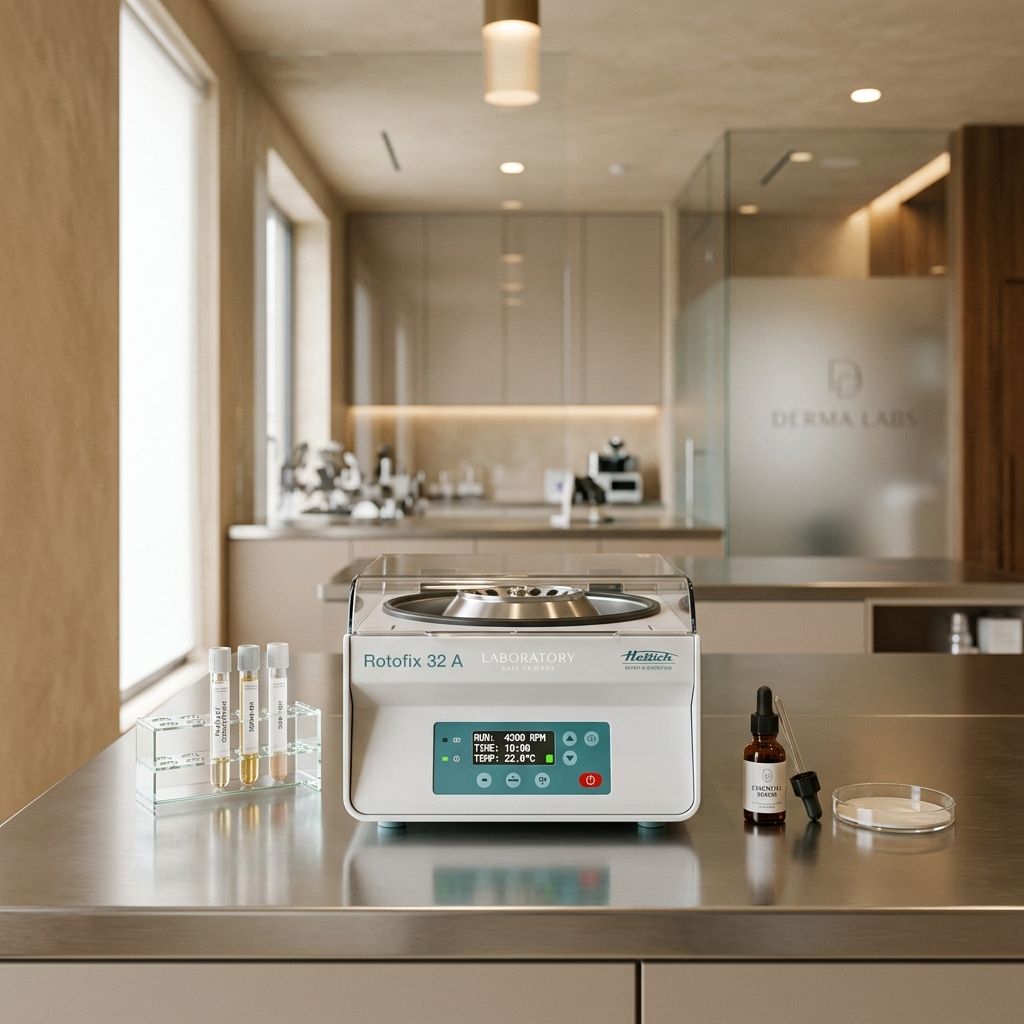
PRP stands for platelet-rich plasma. The process starts with a small blood draw, no different from a routine lab test. That blood is spun in a centrifuge, which separates it by weight into three layers: plasma on top, a thin band of platelet-rich plasma in the middle, and red blood cells at the bottom. It is that middle layer — the PRP — that we keep. Everything regenerative about the treatment lives there.
How it rebuilds skin
Platelets are best known for clotting, but they are also tiny packages of growth factors — the signaling molecules your body uses to heal a wound. Concentrate them and deliver them into the skin, and you essentially tell it to repair itself.
Those growth factors wake up fibroblasts, the cells that manufacture collagen. As they switch on, production of collagen, elastin, and hyaluronic acid climbs. The practical results follow from there:
- Firmness returns. Hollowing cheeks and a softening jawline gradually feel tauter as the dermis is rebuilt from within.
- Texture and tone even out. Because you are repairing the dermal foundation, acne scars and laser-damaged skin recover, and redness tends to settle.
- The barrier strengthens. Skin that has been over-treated or chronically irritated gets a genuine chance to recover, not just be masked.
The point that matters to me as a physician: PRP is not filling or freezing anything. It is coaxing your own skin back into doing what it did more easily when you were younger.
About that “vampire facial”
Here is the part the viral photos get wrong. A standard PRP skin-regeneration treatment does not smear blood on your face. We inject the extracted PRP into the skin, much like a skin booster such as Rejuran, and there is no dramatic bloodiness to it.
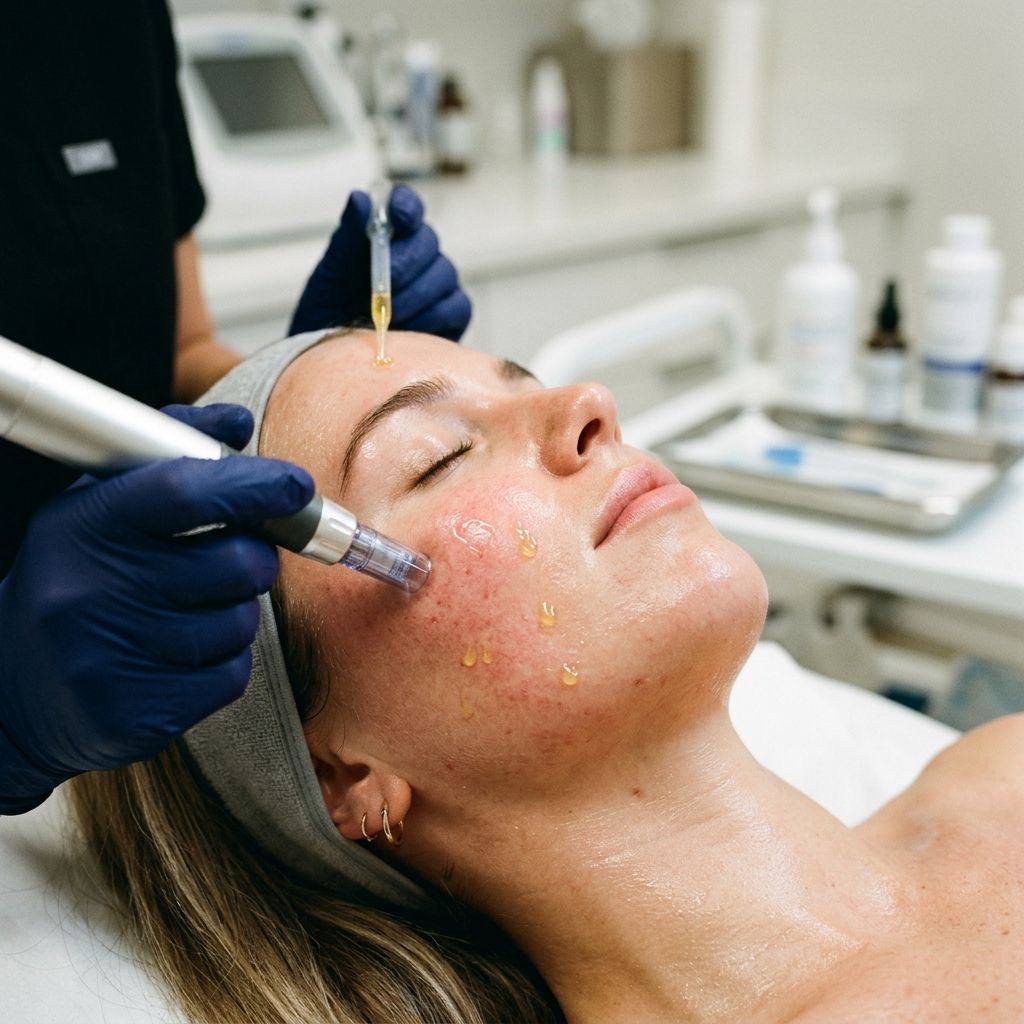
The bloody look comes from a specific variant. In the true “vampire facial,” a provider first runs microneedling across the skin — hundreds of tiny channels — and then applies PRP on top so it absorbs through those channels. The needling causes pinpoint bleeding, the PRP is spread over it, and the face looks red and dramatic. That is the image that went viral. It is one way to deliver PRP, not PRP itself.
Who it’s for
PRP tends to suit people who want repair rather than a quick cosmetic change:
- Long-standing acne or acne scarring that needs the skin to genuinely regenerate.
- Skin left dull or damaged after aggressive lasers or over-exfoliation.
- A compromised barrier that keeps flaring no matter what serum you layer on.
- Early laxity and fine lines, where you want to rebuild the foundation rather than fill it.
What the treatment is actually like
The procedure itself is short and, despite the reputation, fairly simple:
- A small amount of blood is drawn.
- It is spun in a centrifuge and separated into plasma, PRP, and red cells.
- The PRP is injected into the target area — or, in the microneedling version, absorbed through the skin — and delivered into the dermis where fibroblasts live.
Pain and downtime
A numbing cream is applied first, so most people feel only a mild stinging or pressure during the session — well within the tolerable range, and generally less than a laser. Afterward, swelling and redness vary from person to person but usually settle within a day or two. Daily life isn’t disrupted, and makeup is typically fine the next day.
When you’ll see results
This is where honest expectations matter. Because PRP works by stimulating collagen rather than adding volume instantly, it is progressive, not dramatic on day one. Most people notice tone, texture, and elasticity beginning to improve around two to three weeks in, with clearer changes by four to six weeks. For that reason it is usually done as a short course of sessions rather than a one-off, and the results hold longer the more consistently you repeat it.
PRP vs Rejuran vs stem cells
PRP is almost always compared to two neighbors, and the honest distinction is simply what gets injected:
- Rejuran uses PDRN derived from salmon DNA to soothe and repair. If your main issue is dry, sensitive, reactive skin, Rejuran is often the gentler pick.
- PRP uses your own blood components to drive broad regeneration. If you want to address scars, tone, and early aging together, PRP’s range is the draw.
- Stem cell injections extract stem cells from fat or bone marrow to remodel tissue. The effect can be powerful and long-lasting, but the procedure is more complex and costly, and is usually done with your own cells to limit rejection risk.
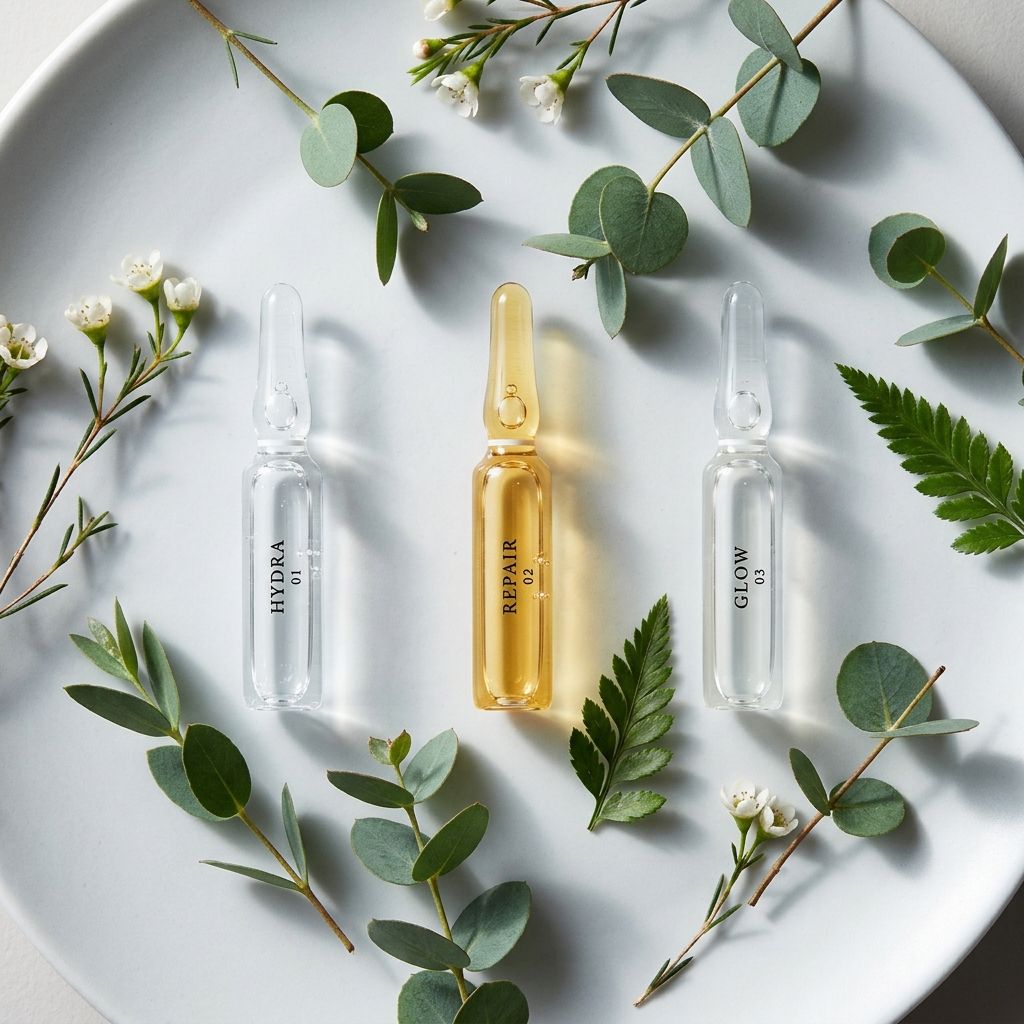
For most patients, PRP sits in a sweet spot: autologous, broadly regenerative, and lower-drama than people expect.
Is it safe?
Because PRP is made from your own blood, allergic reactions and rejection are rare — that autologous safety is a large part of its appeal. Some localized swelling or redness can appear right after treatment, but it typically fades within a day or two. As with any injectable, the real safety variable is the provider: sterile technique and proper preparation matter far more than the brand of centrifuge.
Why the treatment costs less in Seoul
It is not an accident that celebrities and international patients fly to Korea for procedures like this. Seoul’s density of clinics keeps prices competitive, and the sheer volume of treatments performed means equipment and materials are bought at scale, pulling the per-session cost down. The result is a level of access — and refinement, from all that repetition — that is hard to match elsewhere.
The takeaway
Strip away the viral photos and PRP is a measured, evidence-guided way to help skin repair itself using its own biology. It rewards patience and consistency rather than promising an overnight transformation. If you are considering it, talk through your skin’s specific history with a qualified provider — the right candidate, and the right variant, make all the difference.
Frequently Asked Questions
What is a PRP treatment or 'vampire facial'?
PRP, or Platelet-Rich Plasma treatment, involves drawing a small amount of your blood, processing it to concentrate the platelets, and then injecting or applying it to the skin to promote regeneration and healing.
What skin concerns can PRP treat?
PRP is commonly used to improve skin texture, tone, and elasticity. It can also help reduce fine lines, wrinkles, and acne scars by stimulating collagen production.
Is PRP treatment painful?
The procedure involves minimal discomfort as a topical numbing cream is often applied before the treatment. Patients may experience some redness and swelling afterward, similar to a mild sunburn.
This article is for general information and is not medical advice. Consult a qualified healthcare provider about your individual situation.