Skincare Isn’t About Getting Prettier
A Seoul physician on why skincare has become less about looking pretty and more about protecting how the world sees you — and how to match both treatment and aftercare to your own face.
 Dr. Jieun Youn
Founding Director, Laplace Clinic · Laplace Clinic, Sinchon, Seoul · May 26, 2026 · 8 min read

Ask a room of successful people why they spend money on their skin, and the honest answer is rarely “to look pretty.” It is something closer to strategy. Healthy skin has quietly become a way to protect the quality of your social and professional life — a way to be seen at your real value, instead of being discounted for your age.
Skincare has outgrown vanity
For decades we treated skincare as decoration: covering a flaw, chasing a compliment. That framing is too small for what it actually does now. When your skin looks healthy, you carry yourself differently. You speak up more. You are read as capable. In your 40s, 50s, and well beyond — decades when many people are more socially active than ever — that confidence is not vanity. It is infrastructure.
This is not about becoming someone else. It is about not being underestimated for the years you have lived.
What “aging well” actually looks like
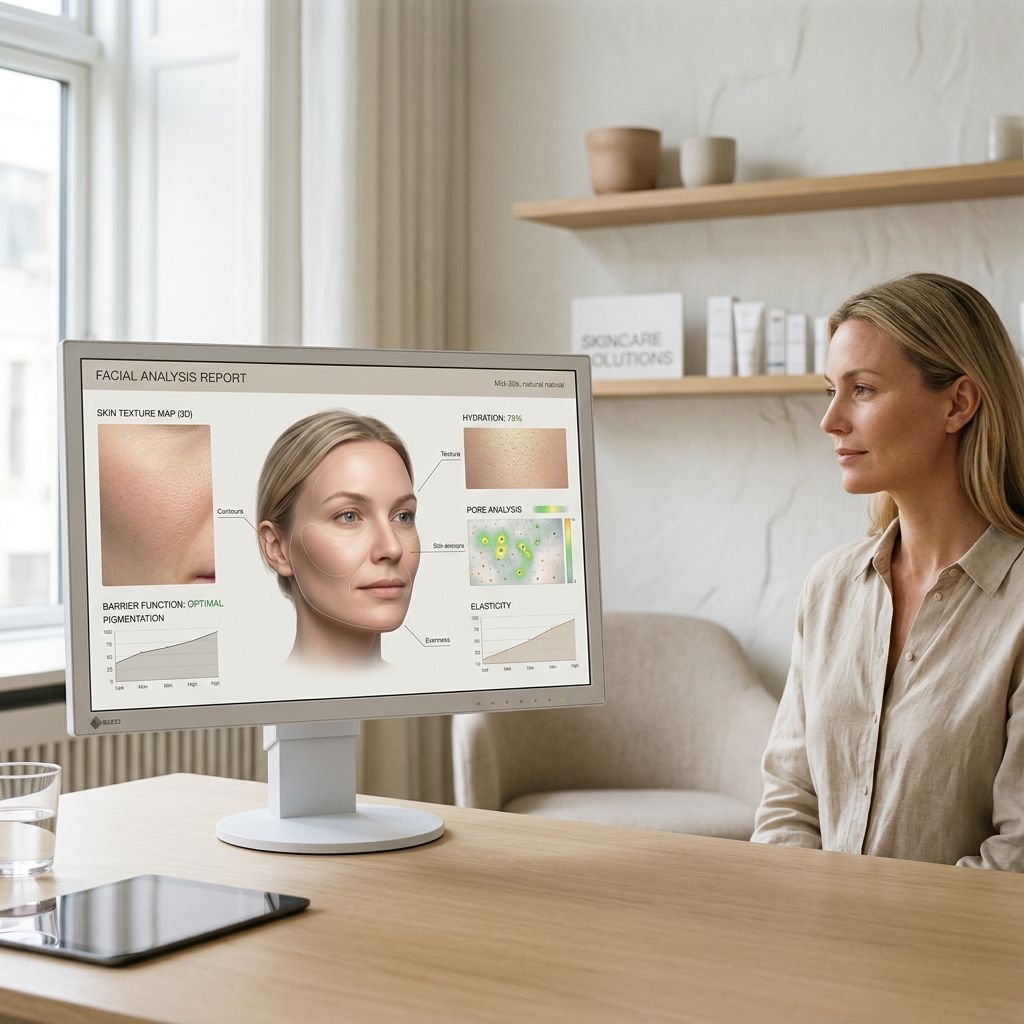
Look closely at the people we call ageless, and they share a short list of traits. Their facial contours have not collapsed — little of the bone change and fat loss that hollows a face over time. Their skin, and the fascia beneath it, still holds its shape, so there is minimal sagging. And the surface itself is smooth and even: few visible pores or scars, and very little of the pigment — the sun spots and blotches — that reads instantly as older. Reduce pigment alone, and skin can look years younger.
Fill, or lift — the treatment has to match the face
There is no single anti-aging treatment, because there is no single way a face ages. The first question I ask is whether a face has lost volume or gained heaviness.
- If a face looks tired because it is hollow, it needs filling. Surgically that means fat grafting; non-surgically, biostimulators and fillers rebuild volume gradually and naturally. For delicate or bruise-prone areas, collagen-based options such as Rejuran fill in softly.
- If a face is heavy or sagging, filling only makes it worse — it needs reducing or lifting instead. Thread lifts reposition sagging tissue; microwave-based devices such as Onda reduce stubborn fat to refine the contour. Often the best result combines the two.
Collagen-stimulating devices like Ulthera and Thermage play a different role. They are not for dramatic change; they are for maintenance — steadily rebuilding collagen so the results of everything else last longer.
The shift from dramatic to natural
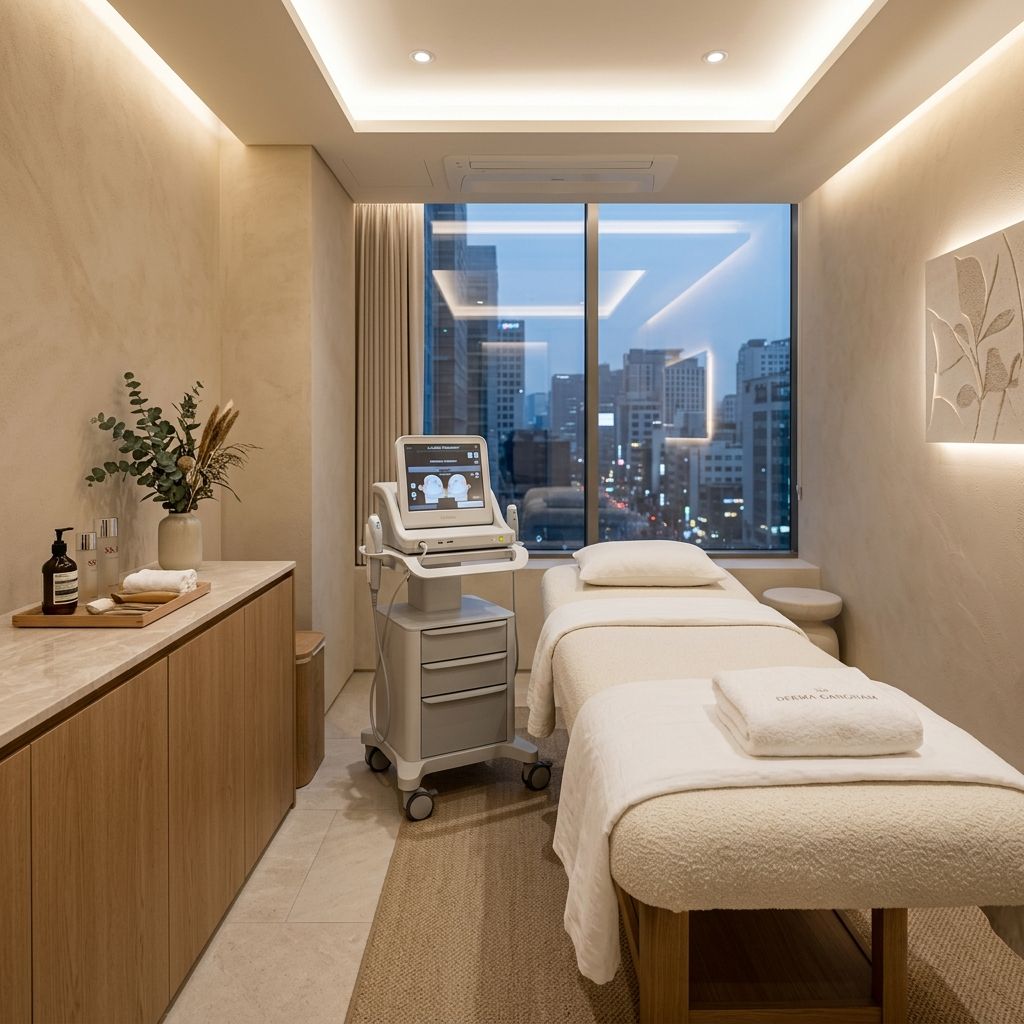
The old goal was obvious change: a filler that visibly lifted the nose, a Botox result you could point to. That era is ending. The direction now is precision and restraint — personalized diagnosis, sometimes aided by imaging and analysis, aimed at your own healthy baseline rather than a template. The best work is the kind no one can name.
The part patients skip: what you do after
A treatment is only half the result. The other half is the days and habits around it.
- After fillers or thread lifts, leave the area alone. Do not press or massage it — you risk shifting the shape or triggering inflammation that, at worst, means removing the product.
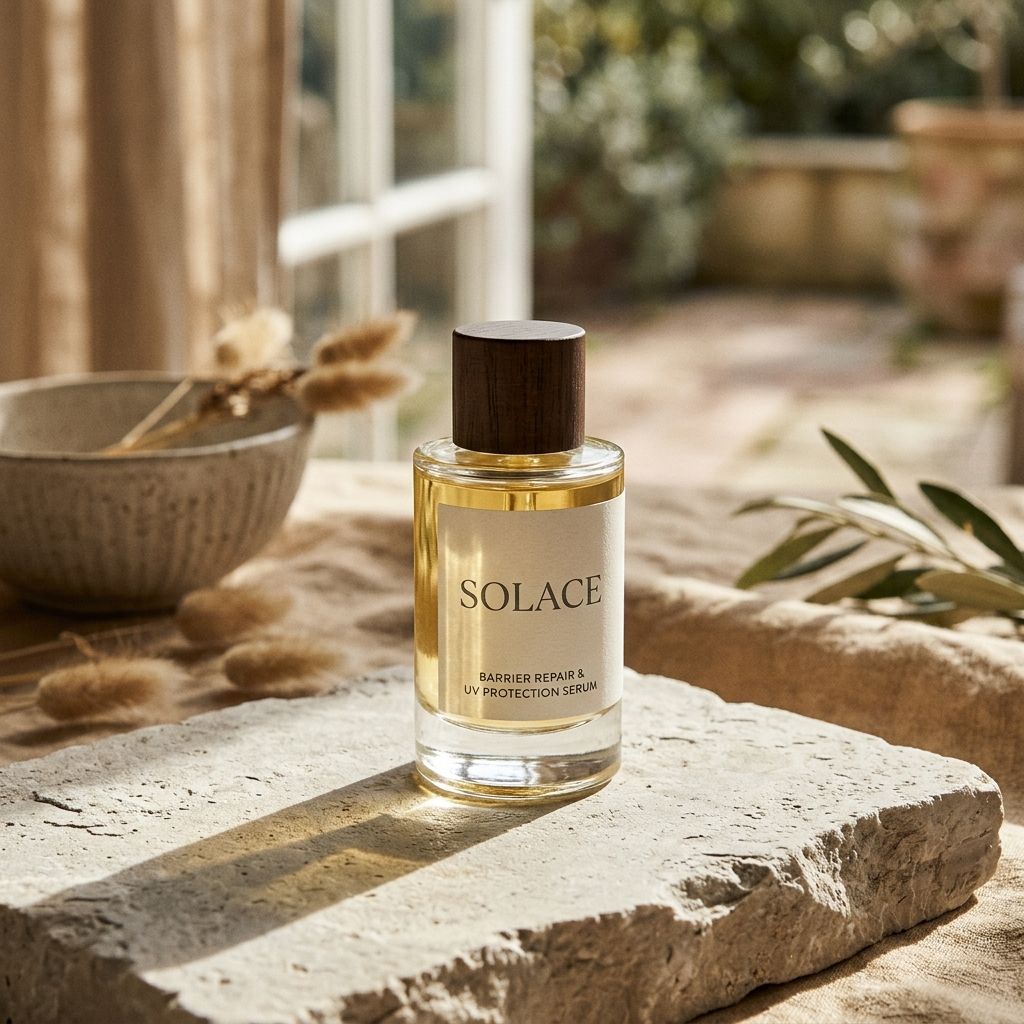
- Protect against UV, relentlessly. Sunlight does not just cause pigment; it accelerates photoaging, speeding collagen loss and etching in fine lines and slack. The gap between sun-exposed and sun-protected skin shows up in tone, texture, and firmness alike.
- Ease off alcohol and cigarettes, especially right after a procedure. Both drive chronic inflammation. Layered onto the controlled, sterile inflammation a treatment creates, they can tip a good result into an unwanted one.
Beauty that looks like you
None of this is a one-time purchase. The version of beauty worth having — the kind that still looks like you — is not bought in a single session. It is the compounding result of consistent, well-matched care.
Frequently Asked Questions
Why is skincare shifting from aesthetics to protection?
Skincare is increasingly viewed as a way to protect the skin from environmental damage, pollution, and stress, rather than solely focusing on aesthetics. This shift emphasizes maintaining skin health and barrier function.
How can I personalize my skincare treatment and aftercare?
Personalizing skincare involves understanding your skin type and concerns, and selecting products that address specific needs such as hydration, sensitivity, or anti-aging. Consulting a dermatologist can help tailor a regimen that suits your unique skin profile.
What are the key components of an effective skincare routine?
An effective skincare routine typically includes cleansing, moisturizing, and sun protection. Additional steps like exfoliation and targeted treatments can be incorporated based on individual skin concerns.
This article is for general information and is not medical advice. Consult a qualified healthcare provider about your individual situation.