Korean Sunscreen Allergy and Breakouts: Why It Happens and How to Choose the Right UV Filter
Viral Korean sunscreens are celebrated for their elegant textures, but some users experience sudden stinging, redness, or closed comedones. A Korean physician explains the common triggers and how to find your perfect formula.
 Dr. Jihye Kim
Medical doctor, specialist, Laplace Clinic · Laplace Clinic, Sinchon, Seoul · 2026年9月26日 · 7 分鐘閱讀
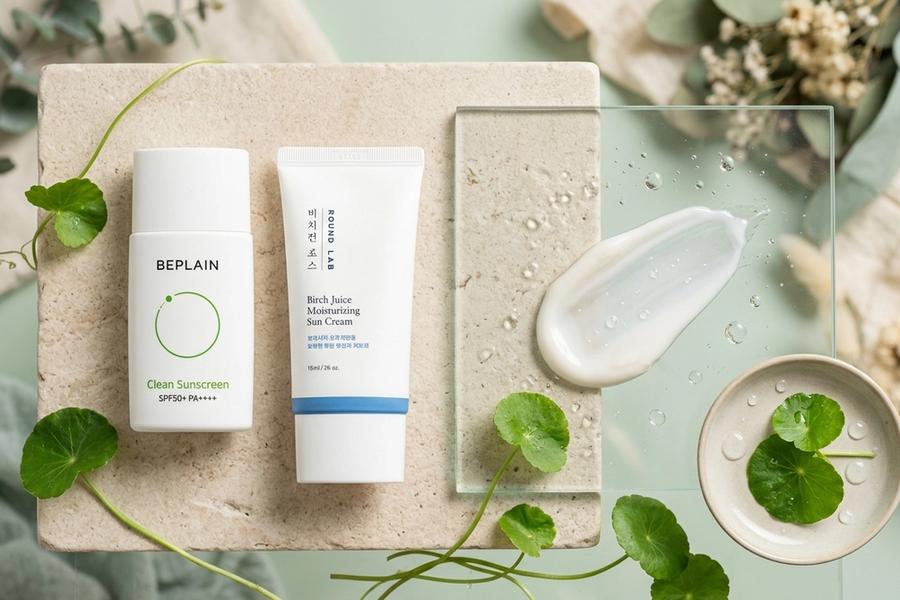
Korean sunscreens have revolutionized daily UV protection worldwide. By utilizing modern organic UV filters authorized in Asia and Europe, Korean formulators create featherlight, non-greasy lotions that leave zero white cast and wear beautifully under makeup.
However, as K-sunscreens surged in global popularity, a subset of international users reported unexpected breakouts, stinging around the eyes, or red allergic patches. In our Seoul dermatology clinic, we frequently evaluate patients experiencing reactions to trending sunscreens.
Here is the dermatological science behind why sunscreen reactions happen and how to choose the right formula for sensitive skin.
1. Allergic Contact Dermatitis vs. Acneiform Breakouts
It is essential to distinguish between two distinct types of skin reactions:
- Allergic / Irritant Contact Dermatitis: Characterized by burning, stinging, red patches, or tiny itchy bumps that appear within hours of application. Often triggered by fragrance, essential oils, or chemical filter intolerance.
- Comedogenic Breakouts: Characterized by closed comedones (whiteheads) or inflammatory acne developing over 5-14 days. Often caused by heavy botanical oils, emollients, or improper evening double-cleansing.
2. The 3 Most Common Culprits in Viral Korean Sunscreens
1) High-Concentration Niacinamide: In Korea, 2% niacinamide is frequently added for skin-brightening claims. While well-tolerated by most, individuals with reactive skin barriers can experience temporary flushing and histamine-like stinging.
2) Plant Extracts & Essential Oils: Essential oils (bergamot, lavender, rosemary) used for fragrance contain volatile terpenes that trigger photosensitivity when exposed to UV light.
3) Inadequate Evening Cleansing: Modern water-resistant organic filters adhere tightly to skin. Washing with a gentle water-based cleanser alone leaves residual UV filters in pores, causing micro-comedones. A gentle oil cleanser or micellar water first step is essential.
3. Chemical (Organic) vs. Physical (Mineral) Filters in Korea
- Organic Filters (Uvinul A Plus, Tinosorb S, Uvinul T 150): Incredible cosmetic elegance and zero white cast. Ideal for normal to dry skin, but may cause mild eye-stinging in very sensitive individuals.
- Inorganic / Mineral Filters (Zinc Oxide, Titanium Dioxide): Sit on the surface and reflect UV rays. Zero risk of allergic penetration, making them the safest choice for rosacea, post-laser skin, and eczema, though they carry a subtle tone-up effect.
4. Doctor's Checklist for Finding Your Safe K-Sunscreen
- Look for fragrance-free and essential oil-free formulas labeled 'Hypoallergenic Tested'.
- If you have rosacea or active eczema, choose a 100% Zinc Oxide mineral sunscreen.
- Always patch test on the side of your neck for 24 hours before applying to your entire face.
常見問題
Why does Korean sunscreen sting my eyes?
Eye stinging is usually caused by older chemical filters migrating into the tear film or volatile essential oils. Modern Korean sunscreens formulated with Tinosorb and fragrance-free bases drastically minimize eye irritation.
Do I need to double cleanse to remove Korean sunscreen?
Yes. Modern UV filters are designed to adhere strongly to the skin barrier. Using a cleansing oil or micellar water followed by a gentle foaming cleanser prevents residual buildup in pores.
本文僅供一般參考,不構成醫療建議。請就您的具體情況諮詢有資質的醫療專業人員。